
Rhinoplasty Recovery Guide with Ashley Gregory

By Ashley Gregory
Patient Care Coordinator


Hi there. Welcome back to our video series where we dive into the ins and outs of facial plastic surgery. Today, we’re talking about how to prepare for the recovery process of a rhinoplasty. I want to make sure you’re well prepared for the journey ahead. Let’s get started.

What can I expect during Rhinoplasty recovery?

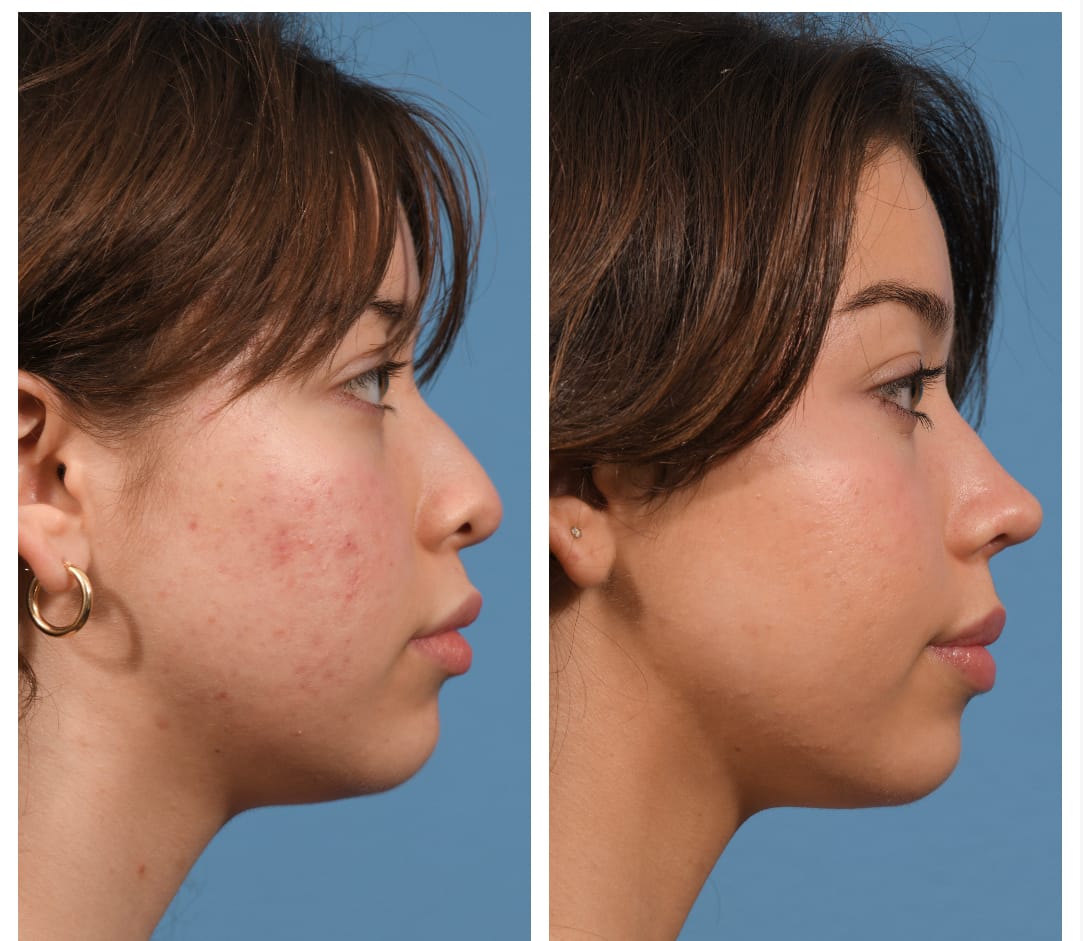
All right, let’s move on to a rhinoplasty or as most of us call it a nose job. Here’s what to expect. Initial swelling and bruising. Swelling and bruising around your nose, eyes, and even cheeks is totally normal. It will gradually improve over the first few weeks.

This is typically the worst around day three after surgery. Expect nasal congestion. You might feel like you have a stuffy nose and may not be able to breathe. That’s just the internal swelling, and that will get better with time. There’s also gradual improvement. So initial recovery takes a few weeks, but remember, the final results can take up to a year to fully show.

What should I do immediately after surgery?

Let’s get into the immediate post surgery care. You’re gonna have follow up appointments, so make sure you follow the instructions. This may sound like common sense, but follow your surgeon’s instructions to the letter. They really know their stuff.

You’re going to need rest and elevation as well. Keep your head elevated to help reduce swelling and promote healing. We recommend a 45 degree angle to keep your head above your heart. A recliner or extra pillows under your back and neck can help you stay comfortable. You’ll also need some cold compresses.

Apply cold compresses over your eyes, on your cheeks, and around your nose. They’re great for reducing swelling and discomfort, but be sure not to rest the ice directly on your nose and to only ice for about 10 to 15 minutes at a time to avoid compromising blood flow.

How do I manage discomfort after Rhinoplasty?

Dealing with pain and discomfort? Here are some pain tips. With your pain medication, take it as prescribed and directed. The medicine is there to help. You can alternate your pain medication with extra strength Tylenol, but be sure not to exceed 4,000 milligrams per day of the acetaminophen. Cold compresses, or ice to the surrounding areas of your nose to reduce swelling.

Do not touch your actual nose. But this can be a real lifesaver.

Nasal saline. You also will need to get a few bottles of nasal saline to rinse out your nose. You will use this at least every two hours while you’re awake. This will keep the inside of your nose hydrated, flushed out, and stop bloody, crusty boogers from forming and drying in your nose.

Rest and relaxation. Get plenty of rest and avoid activities that could increase your blood pressure and cause pain. Take it easy and let your body have time to recover.

How much swelling should I expect?

Swelling and bruising. Let’s break it down. So the initial swelling peaks within the first two to three days and then gradually decreases over the following weeks.

It’s common for your cheeks to swell like a chipmunk, so don’t be surprised if that happens. Or if you get, bruising, which you can have black eyes. Bruising around the eyes can last for about two weeks. The worst of it will fade after the first week.

Long term swelling. Minor swelling might stick around for a few months, especially at the tip of your nose.

What activities should I avoid during recovery?

Here’s your guide to getting back to normal.

The initial rest period. Take it easy, and take at least one to two weeks off of work. Your body needs this time to recover, and you will definitely look swollen and bruised at first.

Gradual resumption of your activities. You can slowly get back to normal activities around two to three weeks. Avoid strenuous activities and heavy lifting for at least four to six weeks. And protect your nose. Stay away from activities that could risk trauma to your nose. No high impact sports for several months.

Are there specific dietary recommendations or restrictions that I should follow to aid in my recovery?

Are there dietary restrictions or recommendations during recovery?

What you eat can make a big difference in your recovery. You’ll want to stick with soft foods to help minimize the movement of your upper lip. No crunchy snacks for now.

Staying hydrated. Make sure you drink plenty of water. Hydration is key for healing.

And avoid alcohol and caffeine. You’ll want to limit your alcohol and caffeine intake as they can contribute to swelling and dehydration.

What can I expect during follow up appointments?

Follow ups are crucial and here’s why. They are critical for your recovery.

These appointments help monitor your healing, and can catch any issues early on. You’ll have regular check ins with your doctor. Expect several visits in the first few months to assess your progress. They also help with adjustment and guidance. Your surgeon might adjust your care plan based on your own personalized recovery.

Signs of complications and when to contact the surgeon

Knowing when to call your surgeon is important.

Severe pain or swelling. If you experience severe pain, excessive swelling, or any signs of infection like redness, fever, contact your surgeon immediately.

Any unusual bleeding as well. So bleeding is first as normal. Blood can even drip down into your throat. But significant or prolonged bleeding is a red flag. You’ll want to seek medical attention right away.

If you have breathing issues. Persistent difficulty breathing or nasal congestion should be reported to your surgeon.

It’s normal to feel congested at first, but if it lasts longer than expected, let your doctor know.

When can I expect to see results?

Patience is key with a rhinoplasty. You’ll see gradual results, so while you’ll notice changes within a few weeks, the final results can take up to a year to fully develop.

Your nose will fine tune over time, especially the tip. Keep your nose protected from the sun. So limit sun exposure with sunscreen and a hat. If you had an open rhinoplasty, which means that you have a scar under your nostrils and the columella, cover this area with a silicone based scar gel at night and then sunscreen during the day, if you go outside, to help protect the healing scar. And always follow your surgeon’s advice, stick to the longterm care recommendations from your surgeon to keep your results looking great.

And that’s our detailed look at recovery from a rhinoplasty. Every recovery is different, so it’s essential to follow your surgeon’s guidance.

And be patient with your healing. It takes time. Thanks for watching!

Facelift Recovery Preparation with Ashley

By Ashley Gregory
Patient Care Coordinator


Hi, welcome to my video series, Ask Ashley, where we dive into the ins and outs of facial plastic surgery. I’m Ashley and I’m the patient care coordinator for Dr jesse Smith. Dr smith is a double board certified facial surgeon in North Texas. Today, we’re going to be talking about how to prepare for the facelift recovery process.

I want to make sure you’re well prepared for the journey ahead. Let’s get started.

How to prepare for facelift surgery before the procedure

All right, let’s kick things off with preparing for a facelift. Think of it as gearing up for a marathon.

Preparation is key. First you’ll need a consultation and health check. Make sure you have a thorough consultation with your surgeon. Discuss your medical history, any previous surgeries, current medications, and any other health concern. This is like giving your body the green light.

You’ll want to avoid certain medications. Your surgeon will likely ask you to stop taking blood thinning medications, like aspirin and ibuprofen. On the other hand, there are some medications we recommend you take, especially for facial surgeries. Arnica and bromelain are two pills that can help minimize bruising and swelling. You can take these about a week before surgery and after surgery as needed to help speed up your recovery.

Healthy lifestyle. Keep your body in tip top shape. Eat well, stay hydrated, and avoid smoking and alcohol. It’s all about setting the stage for a speedy recovery.

How to set up a recovery space at home

Now, let’s talk about creating the perfect recovery haven at home.

You’ll need a comfortable resting area. Set up a cozy resting area with plenty of pillows to keep your head elevated. Elevation helps reduce swelling. It’s a simple but effective trick. We recommend a 45 degree angle to keep your head above your heart. You’ll also need essential supplies. Gather all the essentials like gauze, cold packs, prescribed medications, and easy to eat healthy foods.

You’ll also need a notepad to record how much your drains are releasing fluid. Those drains stay in for about a week. Having all these supplies handy will just make it easier for you. It’s like having a little first aid station by your side. Also, you’ll need some entertainment and relaxation tools.

Don’t forget to line up some entertainment like books, TV shows or music. Keeping your mind occupied can make the recovery time fly by.

What support might patients need during recovery?

It’s helpful to have support and assistance during your recovery, especially in those early stages.

You’ll need transportation, so arrange for someone to drive you home after your surgery and even possibly to your follow up appointments. You’ll be able to drive yourself again once you’re off pain medications. This is typically about a week post surgery. You’ll need help with personal care. A friend or family member can be a huge help with daily tasks like meal prep and personal hygiene.

Think of it as having your own personal assistant for a little while. You’ll also need emotional support. Having someone around for emotional support can make a world of difference. A little encouragement goes a long way.

How much time should patients take off work?

Now it’s time to talk about taking a break from the daily grind. After your initial recovery period, if you work from home or have a virtual job, about 7-10 days should be adequate before you ease slowly back into work. If you see people on a daily basis, we recommend about 2-3 weeks off of work. This gives time for the initial swelling and bruising to subside.

If your job is physically demanding, consider taking closer to 4 6 weeks off. It’s better to be safe than sorry. And follow your surgeon’s advice. Always go with your surgeon’s personalized advice. They know best based on your specific situation.

Post-surgery care tips to promote healing

Let’s dive into some golden nuggets for post surgery care. Follow instructions. Stick to all the post op instructions your surgeon gives you. They’re going to be your road map to a smooth recovery.

Staying elevated. You need to keep your head elevated, even when sleeping. It’s a game changer for reducing swelling.

And take it easy. Dr smith likes to say, you just had a surgery, so act like you had a surgery. Let your body rest and recover. And be gentle, especially with your face and hair. Avoid any strenuous activities that might strain your incisions.

What to avoid during recovery

Here’s what to steer clear of during your recovery journey. Avoid strenuous activities. Skip the gym and heavy lifting for at least four to six weeks. Your body needs time to heal. No smoking. Smoking is a big no no. It can slow down the healing process and increase risk of complications. Limit your sun exposure.

Protect your face and your new scars from the sun. Wear a wide brimmed hat and avoid direct sunlight. This will help your scars heal with less risk for pigmentation issues.

Managing expectations during the recovery process

Last but not least, let’s talk about patience and managing expectations.

Having realistic expectations is important. Results take time to develop. Swelling and bruising are part of the journey. Your face will feel tight at first, but once the swelling goes down, everything will settle in to look more natural. Most patients feel back to normal around the six week mark. Staying positive, focus on the positive changes and improvements.

Temporary discomfort is just that, temporary. And regular communication. Keep in touch with your surgeon. They’re there to help you every step of the way.

Well, that wraps up our guide to facelift recovery. Keep in mind that each recovery is personal. So adhere to your surgeon’s recommendations and allow yourself the time you need to heal.

BioRePeel with Bailey

By Bailey Pettway
Licensed Medical Aesthetician


What is the BioRePeel? It’s a 30% TCA that offers zero downtime.

The BioRePeel uses a biphasic technology where it bypasses the epidermis going to the deeper layers of the skin.

Who can benefit from BioRePeel?

Who can benefit from the BioRePeel? Well, anyone. Anyone and everyone.

The BioRePeel is great for hyperpigmentation, fine lines and wrinkles acne, acne scars, surgical scars, texture and tone, and tightening.

What is the treatment like?

The BioRePeel procedure is very simple. You come in, we cleanse your skin, we then degrease your skin with medical grade acetone. The peel is then applied all over face, neck, and chest.

It sits on the skin for about 10 minutes and then neutralized with water.

The BioRePeel can be formed every seven to ten days.

The great thing about the BioRePeel, it doesn’t require any special aftercare. We just ask that you of course, wear SPF after each treatment and throughout the day.

Microneedling: Everything You Want to Know

By Bailey Pettway
Licensed Medical Aesthetician


Microneedling is a tool that uses sharp needles to create tiny micro injuries into the skin.

In response to these micro injuries, your body produces collagen and elastin to help heal the wound naturally.

Who Can Benefit from Microneedling?

Who can benefit from microneedling? All skin types, all Fitzpatrick’s all skin concerns except active acne.

Why Not with Active Acne?

Whenever you go to like microneedle, if there’s any active acne in anywhere, you can drag that bacteria everywhere, causing more damage than good, just because those little needles are creating little injuries into the skin.

And if you’re spreading the bacteria, that’s just a recipe for disaster. Yeah, it’s really good for people who have like post acne scars and stuff like that.

And What is “Fitzpatrick”?

Fitzpatrick is like, it talks about like the ranging of like what I ask people, like do you hold tan? Do you burn easily? It’s got to do things with like your ethnic background.

Is Microneedling Painful?

The procedure is painless. Each patient comes in and is numbed for a total of 30 minutes to ensure total comfort.

What About Aftercare?

What to expect the first two days after being microneedled is you’re going to look a little red.

here’s no pain involved. There’s a little bit of flaking, some skin shedding by day three. Other than that, you’re going to be back to normal looking great.

Microneedling aftercare is simple. You’ll avoid your actives and sweating for about 48 hours. After 48 hours, you’re safe to go back to your normal routine.

What are “Actives”?

No active products mean retinols, any exfoliants glycolics, salicylic washes, none of that for the first 48 hours.

Anything Else?

My favorite thing about microneedling is that it can be done all year round, even in the summer.

Microneedling is usually done in a series of three. After three treatments, it’s proven to have rebuilt collagen all throughout your face.

Understanding Hair Loss Associated with Ozempic: Causes and Treatment

By Dr. Jesse E. Smith, MD, FACS
Facial Plastic Surgeon

Hair loss, medically known as alopecia, can be a distressing side effect of certain medications, including Ozempic (semaglutide). Ozempic is a prescription medication used to improve blood sugar control in adults with type 2 diabetes. While it’s highly effective in managing diabetes, some individuals may experience hair loss as an unwanted consequence. In this blog post, we’ll explore the connection between Ozempic and hair loss, along with potential treatment recommendations.


Experiencing hair thinning while taking Ozempic or another GLP-1 medication? Dr. Jesse Smith offers hair loss evaluation and hair restoration consultations at our Colleyville location, serving patients from Dallas and the broader DFW area. Schedule a consultation →


Why Does Ozempic Cause Hair Loss?

The precise mechanism by which Ozempic may contribute to hair loss is not fully understood. However, there are several theories:

Nutritional Deficiencies: Some individuals may experience nutrient deficiencies while taking Ozempic, especially if they have poor dietary habits or malabsorption issues. Ozempic does decrease appetite; as a result people eat less and smaller quantities. For those individuals that do not supplement with vitamins and minerals, the loss of these essential items can cause hair loss, thinning, or delayed growth. Deficiencies in vitamins and minerals essential for hair health, such as biotin, zinc, and iron, can contribute to hair thinning and loss. Loss of iron in women can be especially detrimental to hair growth.

Hormonal Changes: Ozempic works by mimicking the action of a hormone called glucagon-like peptide-1 (GLP-1), which helps regulate blood sugar levels. Hormonal fluctuations, particularly changes in insulin levels, may disrupt the hair growth cycle, leading to hair loss.

Stress: Managing a chronic condition like diabetes can be stressful, and stress is a known factor in hair loss. Additionally, the emotional distress of experiencing hair loss itself can exacerbate the problem.

Treatment Recommendations for Hair Loss Caused by Ozempic

If you’re experiencing hair loss while taking Ozempic, it’s essential to consult your healthcare provider before making any changes to your treatment regimen. Here are some treatment recommendations that may help mitigate hair loss:

Nutritional Supplements: Your healthcare provider may recommend supplements to address any nutrient deficiencies that could be contributing to hair loss. Biotin, in particular, is often suggested for improving hair health. Other essential vitamins and minerals include B complex, Vitamin D, Vitamin E, Calcium, Magnesium, Zinc, and Iron.

Switching Medications: In some cases, switching to an alternative diabetes medication that does not have hair loss as a side effect may be an option. However, this decision should be made in consultation with your healthcare provider, weighing the benefits of blood sugar control against the risk of hair loss.

Topical Treatments: Over-the-counter or prescription topical treatments containing minoxidil, a medication commonly used to treat hair loss, may help stimulate hair growth and prevent further thinning. Oral prescription medications can be helpful as well. There are now DNA specific tests that can tell patients which medications can work best for them.

Lifestyle Modifications: Practicing stress-reducing techniques such as mindfulness, meditation, or yoga can help manage stress levels, which may, in turn, improve hair loss.

Healthy Hair Care Practices: Gentle hair care practices, such as using a mild shampoo, avoiding heat styling tools, and minimizing tension on the hair from tight hairstyles, can help prevent further damage to fragile hair.

Final Thoughts

Experiencing hair loss can be distressing, but it’s essential to remember that you’re not alone, and there are steps you can take to address the issue. By working closely with your healthcare provider, or an experienced hair restoration surgeon like Jesse E Smith, MD, FACS, and exploring various treatment options, you can find a solution that helps you manage your diabetes while minimizing the impact on your hair health. If you have concerns about hair loss or any other side effects of Ozempic, don’t hesitate to reach out to us for guidance and support.

Hair Transplant Techniques: Past to Present

By Dr. Jesse E. Smith, MD, FACS
Facial Plastic Surgeon

The journey of hair restoration has seen remarkable progress, from ancient remedies to the advanced surgical interventions we have today. Dr. Jesse E. Smith, a pioneer in the field, has been at the forefront of these transformative changes, especially with the integration of cutting-edge technologies like the Trivellini system into his practice. This blog post explores the evolution of hair transplant techniques, shedding light on how they have improved over the years to offer more natural and satisfying results.

Early Techniques in Hair Restoration

Hair transplantation began in the 20th century with the development of punch grafts. These early methods involved transferring large circular sections of hair-bearing scalp to bald areas. Despite being innovative, the results often appeared unnatural, leading to the notorious “pluggy” look.

Breakthroughs and Improvements

The field evolved with the introduction of mini-grafting and micro-grafting, employing smaller grafts to achieve a more natural appearance. This era marked a significant improvement in cosmetic outcomes, focusing on reducing scar visibility and blending transplanted hair seamlessly with existing hair.

The Rise of Follicular Unit Transplantation (FUT)

In the 1990s, Follicular Unit Transplantation (FUT) revolutionized hair restoration. FUT involves harvesting a strip of hair from the donor area, which is then dissected into individual follicular units for transplantation. This method mimics natural hair growth patterns, significantly enhancing the density and appearance of the transplanted hair.

The Advent of Follicular Unit Extraction (FUE) and Modern Advancements

Follicular Unit Extraction (FUE), developed as a less invasive alternative to FUT, extracts individual hair follicles directly from the scalp without the need for a linear incision. This method reduces scarring and allows for a quicker recovery. Technological advancements, such as robotic-assisted FUE and the Trivellini system – used in Dr. Smith’s practice, have further refined the process. These innovations offer enhanced precision, reduced trauma to the scalp, and improved overall outcomes, making hair restoration more appealing and accessible than ever.

Conclusion

The advancement from basic techniques to today’s sophisticated hair restoration procedures highlights the field’s incredible progress. The focus on patient comfort, coupled with the pursuit of natural-looking results, continues to drive innovation in hair transplantation.

Dr. Smith, well-versed in the latest hair restoration technologies, is committed to providing his patients with the best possible outcomes. His expertise in utilizing the Trivellini system and other advanced methods makes him a highly recommended specialist for those considering hair transplantation. If you are looking to explore hair restoration options, consulting with Dr. Smith ensures access to top-tier techniques tailored to meet your individual needs.

Hair Loss Myths Debunked: Separating Fact from Fiction

By Dr. Jesse E. Smith, MD, FACS
Facial Plastic Surgeon

Hair loss is a common concern that affects millions of people worldwide. With its prevalence comes a myriad of myths and misconceptions about its causes, prevention, and treatment. Dr. Jesse E. Smith, a specialist in hair restoration, aims to dispel some of these myths and provide factual information to those seeking guidance on hair loss.

Myth 1: Wearing Hats Causes Baldness

One of the most persistent myths is that wearing hats can lead to hair loss. The belief is that hats cut off circulation to the scalp, starving hair follicles of nutrients. However, hair follicles get their nutrients from the bloodstream, not directly from the air, and normal hat-wearing does not affect blood circulation enough to cause hair loss. Balding is mainly influenced by genetics, hormones, and age, not by your fashion choices.

Myth 2: Stress Always Causes Hair to Fall Out

While it is true that severe stress can lead to temporary hair shedding (telogen effluvium), everyday stress will not cause you to go bald. Stress-related hair loss is usually temporary, and hair often regrows once the stressor is removed or managed. It is important to distinguish between this temporary shedding and more permanent forms of hair loss like androgenetic alopecia.

Myth 3: Only Men Suffer From Hair Loss

Hair loss does not discriminate by gender. While men are more likely to experience visible balding due to male pattern baldness, women also suffer from hair loss, including female pattern hair loss (androgenetic alopecia in women). The patterns of hair loss differ between genders, but the condition affects both men and women.

Myth 4: Baldness is Always Inherited From the Mother’s Side

Many believe that the gene for male pattern baldness is solely inherited from the mother’s side of the family. However, genetics of baldness are complex, involving many genes inherited from both parents. While the X chromosome from the mother does carry a significant hair loss gene, factors on the father’s side also play a crucial role.

Myth 5: Hair Loss Can Be Stopped Completely

While there are effective treatments available that can significantly slow down or partially reverse hair loss, such as minoxidil (Rogaine) and finasteride (Propecia), there is currently no cure that stops hair loss completely and permanently for everyone. Treatment efficacy varies from person to person, and maintaining treatment results often requires ongoing use of these therapies.

Conclusion

Hair loss myths are widespread, but understanding the facts can help you make informed decisions about your hair health. If you are concerned about hair loss, it is essential to consult with a hair restoration specialist like Dr. Jesse E. Smith. Dr. Smith can provide accurate information based on the latest research and offer personalized treatment options based on your unique situation.

Ultimate Guide to Facelift Surgery: Pt. 2 – Facial Anatomy & Aging

By Dr. Jesse E. Smith, MD, FACS
Facial Plastic Surgeon

Welcome to the second part of our comprehensive guide to facelift surgery. In this installment, we will delve into the intricate anatomy of the face and explore how it ages over time. Understanding the key structures of the face, such as the skin, muscles, fat pads, ligaments, and bone structure, is essential for anyone considering this cosmetic procedure. By gaining insights into the factors that influence facial aging, such as genetics, sun exposure, smoking, diet, lifestyle, and environmental factors, you can make an informed decision about whether a facelift is right for you.

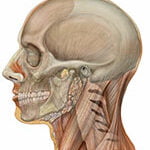
Key Structures of the Face

Facial anatomy is complex and comprises several key structures that are crucial in facelift surgery

  • Skin: The largest organ of the body, providing cover and protection. It consists of multiple layers, each playing a role in aging.

  • Muscles: Facial muscles are responsible for expressions. They are interconnected with skin and fat, influencing how aging changes the face’s appearance.
  • Fat Pads: Fat in the face is segmented into distinct pads. Their size and position affect facial fullness and contour.
  • Ligaments: There are ligaments in the face that attach to the bone and go to the skin. These ligaments help support the fat pads and muscles, and are an important part of aging.
  • Bone Structure: The facial skeleton provides the framework. Changes in bone density and volume with age can alter facial contours.

How the Face Ages

“Facelifts are an invasive and detailed procedure. It is important to choose a Board Certified cosmetic surgeon to perform your surgery. Dr Jesse Smith is double board certified and is a facial specialist, so rest easy knowing that you are in very experienced and capable hands when you come to us.”

Shasta Mills
  Surgical Scrub Technician

  • 1. Skin Changes: As we age, skin loses elasticity and collagen, leading to wrinkles and sagging. Sun damage and lifestyle choices can accelerate these changes.
  • 2. Muscle Tone Alteration: With age, some facial muscles weaken while others may become more prominent, contributing to changes in facial expression and appearance.
  • 3. Fat Redistribution: The youthful face is characterized by evenly distributed fat pads. With aging, these pads can diminish or descend, leading to hollowed areas or jowls.
  • 4. Ligament elasticity and stretching: This allows muscles and fat pads to sink and redistribute.
  • 5. Bone Resorption: Aging can lead to a reduction in bone density and volume, particularly around the jawline and cheeks, impacting the overall shape of the face.

Factors Influencing Facial Aging

  • 1. Genetics: Determines the intrinsic aging process, influencing how early or late these changes appear and their severity.
  • 2. Sun Exposure: UV radiation accelerates the breakdown of collagen and elastin fibers in the skin.
  • 3. Smoking: Contributes to premature aging by reducing blood supply and nutrient delivery to the skin.
  • 4. Diet and Lifestyle: A healthy lifestyle and diet can delay signs of aging, whereas stress, poor nutrition, and lack of sleep can hasten them.
  • 5. Environmental Factors: Pollution and other environmental toxins can contribute to skin damage and premature aging.

Understanding the intricate anatomy of the face and the process of aging is crucial for anyone considering facelift surgery. It helps in setting realistic expectations and understanding the potential outcomes of the procedure. In the next part of this series, we will explore how to determine if you are a suitable candidate for facelift surgery, including factors like health, skin type, and personal goals.

Join us in the next installment of “The Ultimate Guide to Facelift Surgery,” where we will provide essential insights into making an informed decision about undergoing this transformative procedure.


Liquid Facelift: Transforming Aesthetics at Dr. Smith’s Med Spa

By Bailey Pettway
Licensed Medical Aesthetician

The liquid facelift is a revolutionary non-surgical procedure that offers a way to rejuvenate and refresh the face without the need for invasive surgery. Utilizing a combination of injectable treatments like dermal fillers and botulinum toxin, the liquid facelift can reduce wrinkles, restore volume, and enhance facial contours. At Dr. Jesse Smith’s Med Spa, we are proud to offer this innovative treatment, expertly tailored to each client’s unique needs by our skilled team, including our renowned Medical Aesthetician, Bailey Pettway, with the help of our CNA Ashley Gregory to discuss and tailor each patient’s exact needs.

Understanding the Liquid Facelift

A liquid facelift is a bespoke treatment that combines various injectables to achieve a youthful and revitalized appearance. Dermal fillers such as JUVÉDERM®, Restylane®, and Sculptra® are used to add volume and smooth out wrinkles, while botulinum toxin products like Botox® and Dysport® help relax facial muscles, reducing the appearance of fine lines. This personalized approach allows for a comprehensive facial rejuvenation, targeting areas such as the cheeks, jawline, lips, and forehead.

The Benefits of a Liquid Facelift

One of the key advantages of a liquid facelift is its minimal downtime compared to traditional facelift surgery. Patients can often return to their daily activities shortly after the procedure, making it an ideal choice for those seeking significant aesthetic improvements without the recovery time. Additionally, the results are temporary and adjustable, offering flexibility for patients to refine their look over time.

Ideal Candidates for a Liquid Facelift

The liquid facelift is suitable for individuals looking to address signs of aging without undergoing surgery. Ideal candidates are those experiencing volume loss, fine lines, and wrinkles, but who still have relatively elastic skin.

The Procedure

Administering a liquid facelift requires precision and artistry. The process is relatively quick, taking about an hour, and involves minimal discomfort. Clients are advised on aftercare to ensure optimal healing and results.

Conclusion

The liquid facelift represents a cutting-edge solution for facial rejuvenation, offering a blend of immediacy, efficacy, and minimal invasiveness. At Dr. Smith’s Med Spa, we are committed to providing our clients with the highest standard of care, utilizing the latest advancements in aesthetic medicine to achieve beautiful, natural-looking results.

Ready to explore how a liquid facelift can rejuvenate your appearance? Contact Dr. Smith’s Med Spa today to schedule your consultation and discover the transformative potential of this innovative treatment.

Ultimate Guide to Facelift Surgery: Pt. 1 – Introduction to Facelifts

By Dr. Jesse E. Smith, MD, FACS
Facial Plastic Surgeon

What is a Facelift?

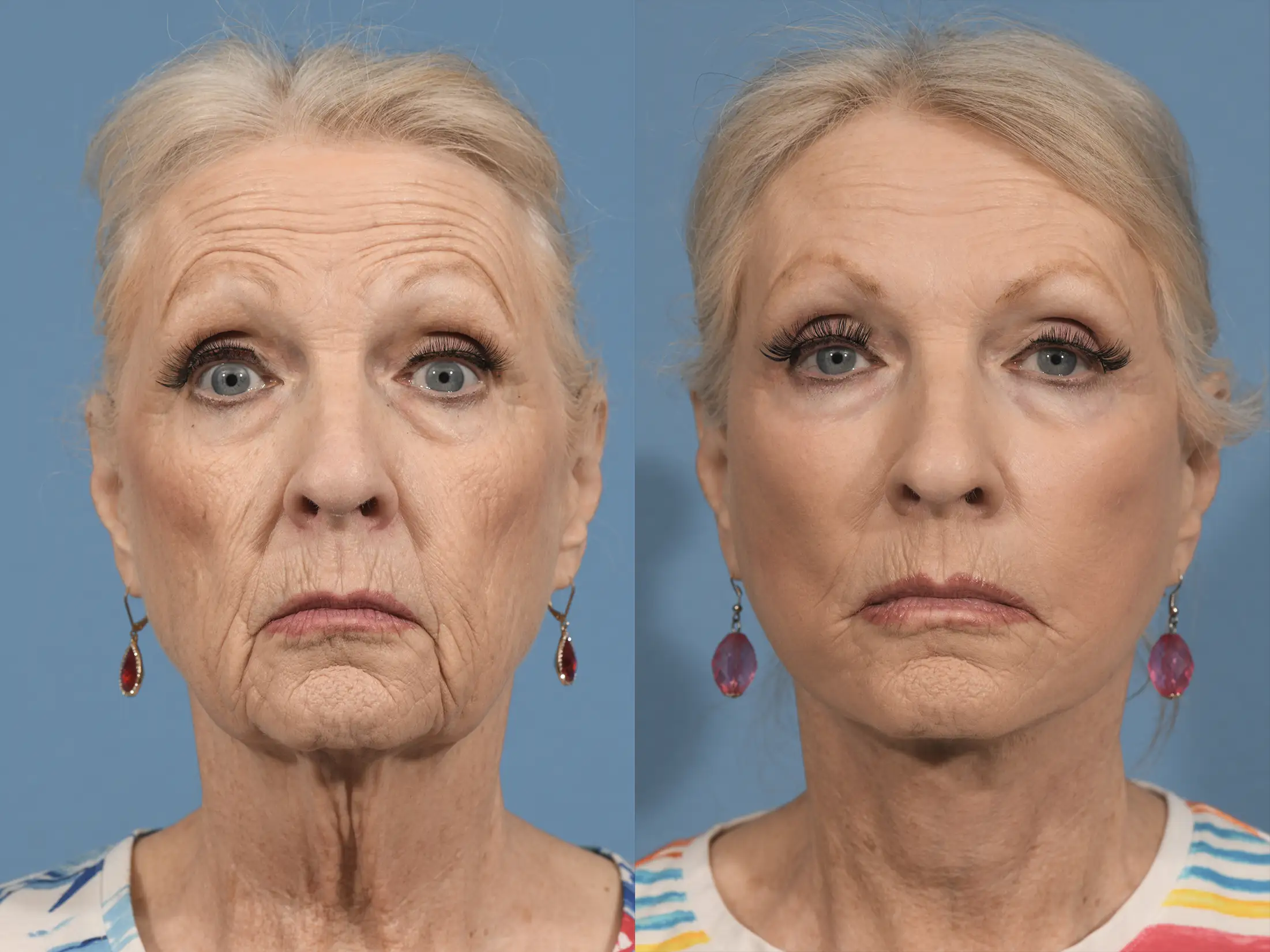
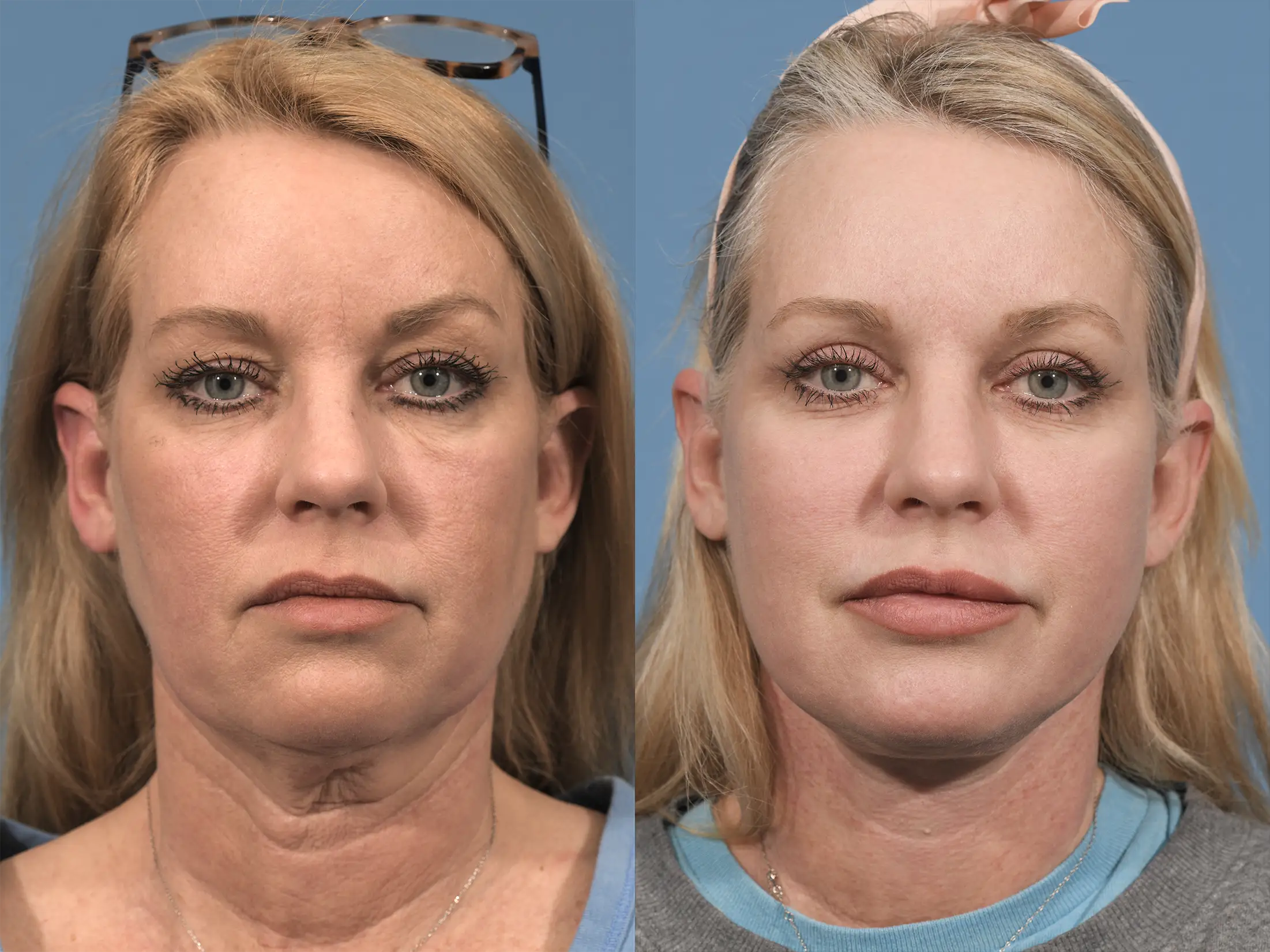
A facelift, medically known as a rhytidectomy, is a cosmetic surgical procedure designed to rejuvenate the appearance of the face. By removing excess skin, tightening underlying tissues, and redraping the skin on the face and neck, the procedure can significantly reduce the visible signs of aging. The goal of a facelift is not just to pull the skin tighter – removing wrinkles – but to restore it to a more youthful and natural-looking position.

Historical Perspective on Facelifts

The history of facelifts dates back to the early 1900s. The first recorded facelift surgeries were simple skin tightening procedures. Over the decades, the techniques have evolved significantly:

  • 1920s-1930s: The initial procedures only involved pulling and removing excess skin.
  • 1940s-1960s: Surgeons began to address the deeper structures of the face, realizing the importance of repositioning both skin and underlying tissues for a more natural result.
  • 1970s-1990s: With advancements in anesthesia and surgical techniques, procedures became safer and provided more lasting results. The understanding of facial anatomy during this period grew exponentially.
  • 2000s-Present: The modern facelift is far more advanced. It involves a combination of skin tightening, repositioning of the facial muscles, and sometimes even fat grafting or filler injections to restore volume. Minimally invasive techniques and non-surgical alternatives have also emerged, offering patients a broader range of options.

What are the benefits of getting a facelift?

“Facelifts are one of our favorite procedures! This procedure gives natural, yet dramatic, results and, we love seeing how happy our patients are with their results after recovery!”
Ashley Gregory
  Patient Care Coordinator

Facelift surgery offers a range of benefits for individuals seeking to rejuvenate their appearance. This surgical procedure primarily targets signs of aging in the face and neck area. Here are some key benefits of getting a facelift:

  1. Reduces visible signs of aging: A facelift can effectively minimize the appearance of wrinkles, creases, and sagging skin, which naturally occur due to the aging process. By tightening the underlying facial muscles and removing excess skin, a facelift can provide a smoother and more youthful appearance.
  2. Restores facial contours: Over time, the loss of facial fat and collagen can lead to a hollow or sunken look. A facelift can restore volume and contour to areas that have lost firmness, such as the cheeks and jawline. This helps to create a more defined and sculpted facial appearance.
  3. Improves self-confidence: The physical changes achieved through a facelift often lead to a boost in self-esteem and improved confidence. With a more youthful and revitalized appearance, individuals may feel more comfortable and positive about their overall image.
  4. Long-lasting results: While a facelift cannot stop the natural aging process, the effects of the procedure are long-lasting. The improvements achieved with a facelift can typically last for several years, allowing individuals to enjoy a more youthful appearance for an extended period.
  5. Enhances facial harmony: A facelift can improve the overall balance and harmony of the face by addressing multiple signs of aging simultaneously. By restoring a more youthful appearance, the procedure can help individuals achieve facial symmetry and an improved aesthetic balance.
  6. Complementary treatments: In many cases, individuals may choose to combine a facelift with other cosmetic procedures or treatments to achieve more comprehensive results. These may include brow lifts, eyelid surgery, or non-invasive treatments such as Botox or dermal fillers.

It is important to note that considering a facelift should involve consultation with an experienced surgeon, like a facial plastic surgeon, who can assess individual goals and recommend the most appropriate treatment plan. With a personalized approach, facelift surgery can provide patients with remarkable benefits, helping to restore a more youthful and refreshed appearance.

In the next installment of our guide, we will delve into the intricacies of facial anatomy and the aging process. Understanding these fundamental aspects is essential for anyone considering facelift surgery, as it provides a foundation for understanding the surgical techniques and their potential outcomes.