Combining Procedures for Maximum Results: How Facial Plastic Surgeons Customize Treatment Plans

Are you looking to get plastic surgery but unsure if it can be done all at once? It depends on what you want to have done. When you choose a facial plastic surgeon, make sure to ask them about this option.

Benefits of Combining Facial Plastic Surgery Procedures

There are several benefits to combining procedures. For one, it is more convenient and cuts down on time spent planning. Having two or more procedures at once also provides faster results. You may even save money since only one anesthesia fee and facility fee are required.

Popular Combinations

Some facial plastic surgery procedures are often done together. Others are not. If you are curious about the most common procedures to do at the same time, keep reading.

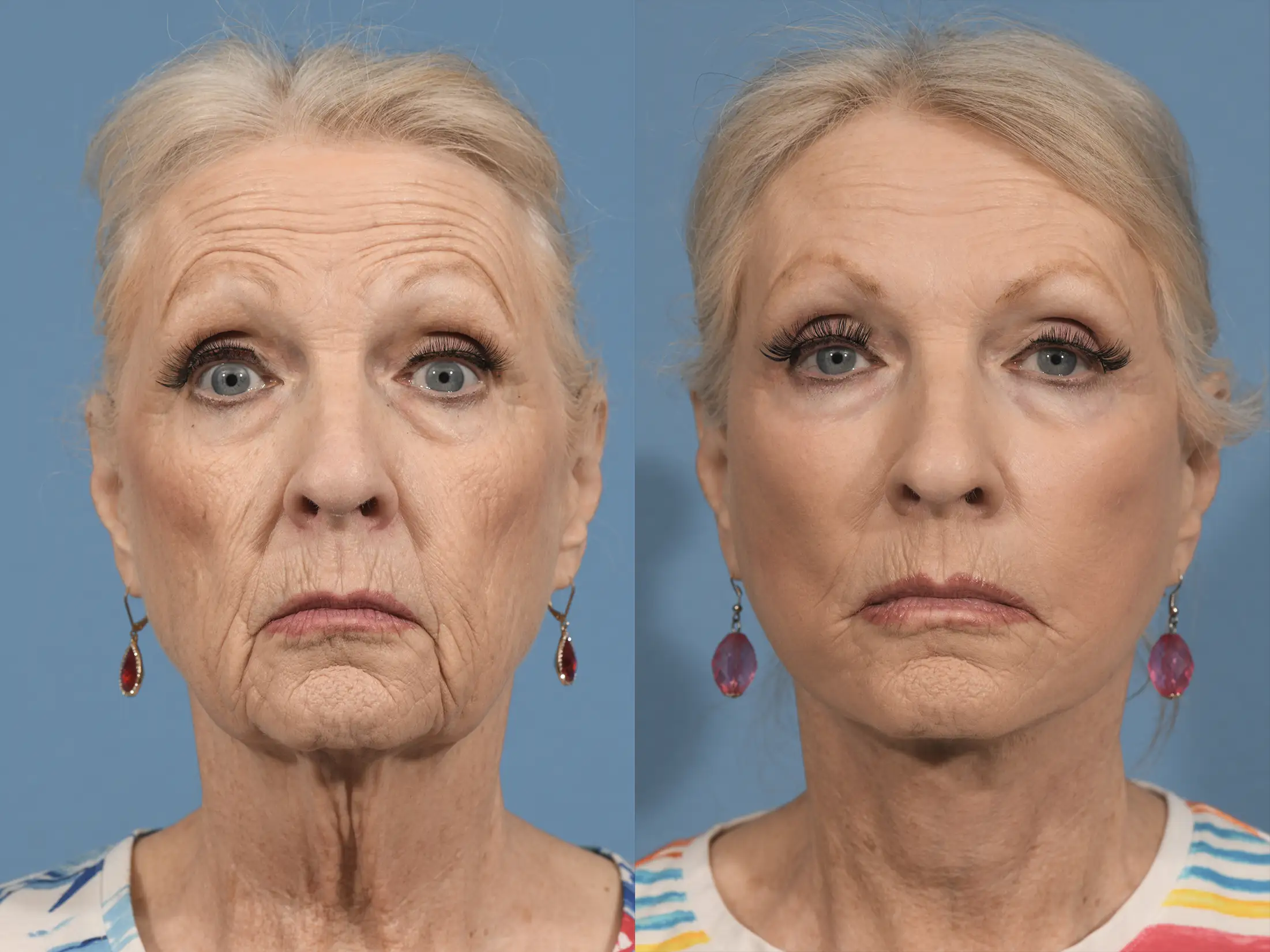
Facelift, Brow Lift, and Eyelid Surgery

The facial tissues and skin are rejuvenated and lifted with this procedure while the lower or upper eyelashes are refreshed. This combination of procedures makes a huge difference to the top half of the face.

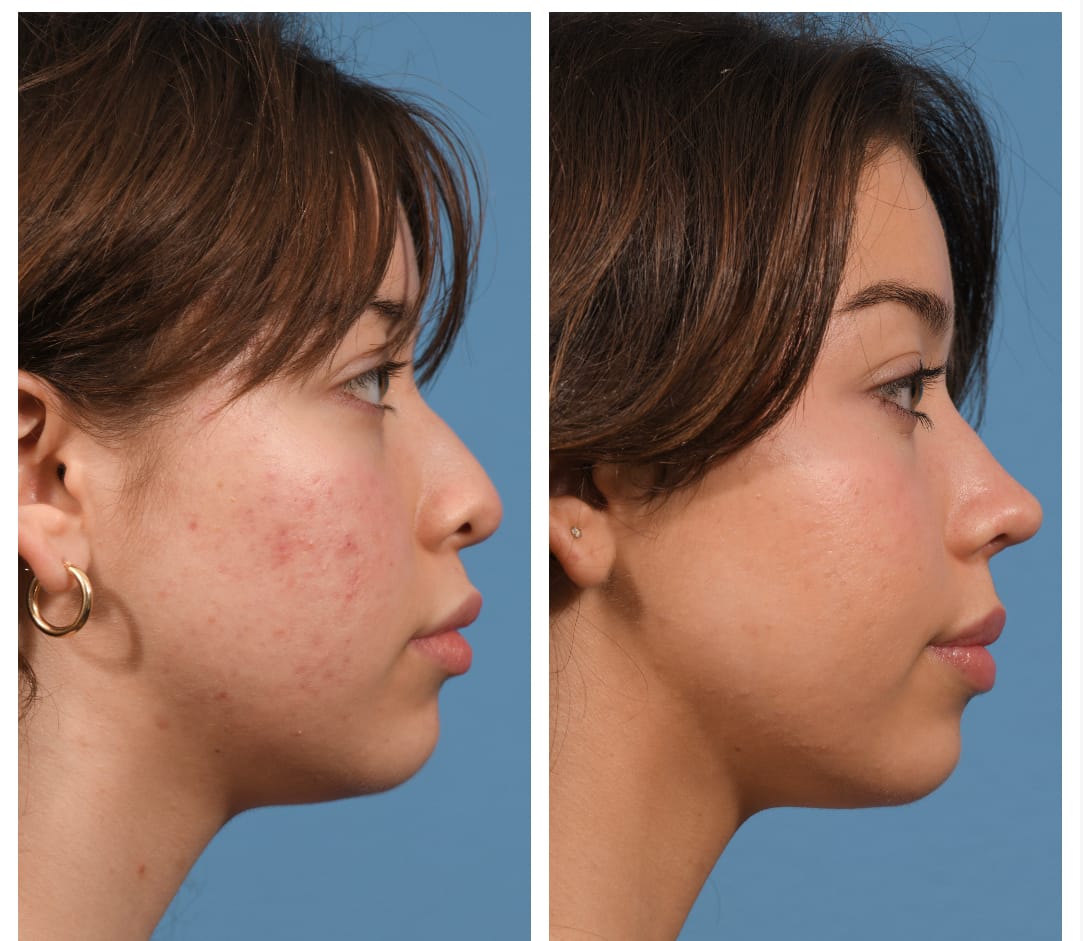
Rhinoplasty and Chin Augmentation

On the other hand, chin augmentation and rhinoplasty focus on the lower half of the face. You can make your nose look the way you have always wanted while creating an aesthetically pleasing change to the chin at the same time.

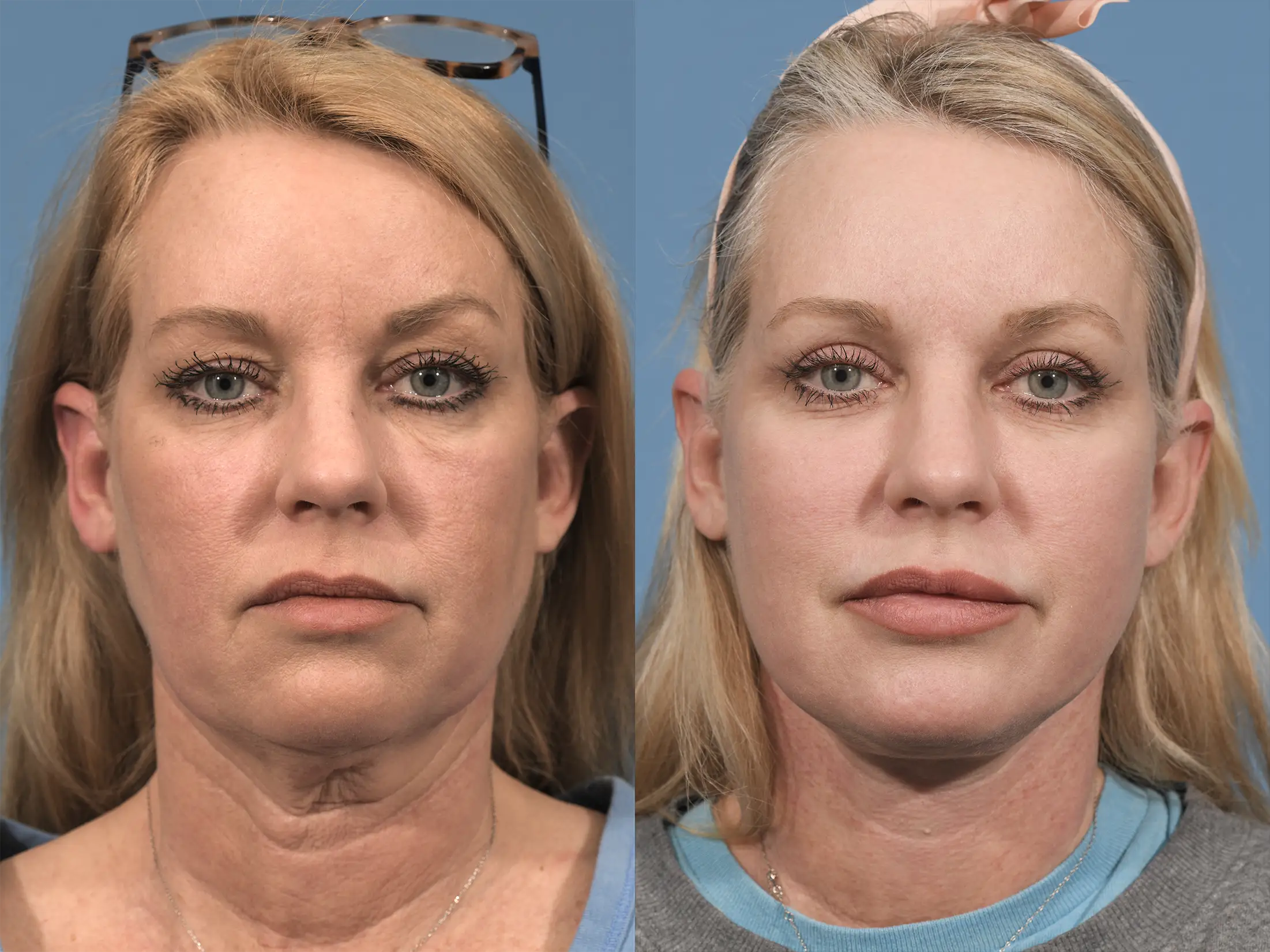
Neck Lift and Liposuction

For a graceful neck that has a refined look, there is no better option than a neck lift and liposuction. Neck contouring can help reshape the chin while liposuction can take away excess fullness.

Creating a Customized Treatment Plan

One of the most important aspects of having two or more surgical procedures done at the same time is creating a customized treatment plan. Every person is different and the procedure that works best for you might be different than the ideal choice for the next patient.

Assessing Individual Needs and Goals

Your surgeon will first look into your goals with the surgeries and what you hope to achieve. This can give insight into whether you would be best served by having a combination of surgeries done at the same time.

Surgical Planning

The surgery will then be planned based on what will work best to meet your needs. The surgeon will consider what you want from the procedure and what expectations they can realistically offer to give you a look that you love.

Balancing Risks and Benefits

Sometimes, there will be too many risks to move forward. If that is the case, your surgery procedures may need to be done at different times. It is better to be safe and have multiple appointments than incur undue risk.

Your surgeon will balance the benefits and risks to determine how to move forward.

Realistic Expectations and Patient Satisfaction

Realistic expectations are essential for any patient who wishes to have facial plastic surgery. For instance, plastic surgery cannot make you look like someone else and it is not a good idea to have it done to please someone else.

Plastic surgery may not change your life but it can make you feel good about yourself. However, this is only possible when a patient is aware of what results to expect. Nobody is going to walk out of surgery looking perfect, but these procedures can make your face look more in line with what you want to see in the mirror.

Final Thoughts

Choosing to get a combination of facial plastic surgery procedures is more common than you might expect. However, knowing which procedures can be combined and what cannot is important. Reach out to Dr. Smith’s team to learn more.

What Is Genioplasty and Is It Right for Me?

Also known as mentoplasty or chin surgery, genioplasty is a form of cosmetic surgery that is used to alter the shape of a person’s chin. Other techniques may also be used, such as introducing an implant that makes the chin larger or reducing the size of the jawbone so the chin is smaller.

This procedure is more common among men than women. Based on a report by the American Society of Plastic Surgeons in 2019, 57% of these procedures are done on men.

What Genioplasty Entails

Most people who choose genioplasty do so to improve their appearance. There are two methods of reshaping the chin. The bone that supports the chin can be repositioned, or chin implants can be placed. Various implants are available in different materials, including silicone and others.

Osseous genioplasty is the most common technique; it involves modification of the skeletal structure of a person’s chin. However, there are other ways to reshape the chin, such as:

  • Jumping genioplasty
  • Reduction genioplasty
  • Sliding genioplasty
  • Widening genioplasty

A plastic surgeon performs genioplasty, often under general anesthesia. It is a popular procedure for people of all ages and genders.

Jumping Genioplasty

With this form of genioplasty, the chin bone is moved in two directions: upward and forward. A cut is made on the lower part of the jaw before that section is brought forward and upward. This results in the lower edge of the chin resting on the upper part of the lower jaw. The way the cut area moves from the lower jaw and upwards is why it is known as the jumping genioplasty.

Reduction Genioplasty

Reduction genioplasty is a procedure that removes or reduces the amount of bone at the chin. It can also be used to make the chin smaller for those who feel it is a bit too prominent. Two cuts are made parallel to each other, each the width of the chin itself. The chin can be made narrower, smaller, or moved backward. Sometimes, two or more of these things are done at once.

Sliding Genioplasty

For a misaligned chin or a retrusive chin, sliding genioplasty tends to be the best procedure. An inverted V-shaped cut is made from one canine all the way to the other side of your teeth. A saw will then be used to pull the chin bone away from the remaining parts of the jaw. This corrects the defect and creates better jaw alignment.

Widening Genioplasty

If you have a narrow chin, widening genioplasty is designed to make it wider. Horizontal and vertical cuts are made to divide the bottom of the chin into two parts. Once cut, a bone graft is used as a midline divider to widen the chin to your preferences.

Is Genioplasty Right for You?

Genioplasty tends to offer great results with soft tissue and bone stability. If you are interested in genioplasty, make sure to speak with an experienced facial plastic surgeon to learn about your options.

Illuminating the Different Types of Blepharoplasty

Some of the effects of aging can be frustrating. None of us want to deal with sagging skin, bulging bags, and drooping eyelids. It gives you a tired look, even when you are feeling your very best. These changes are entirely natural, but some find they give a less-than-pleasing appearance.

Thankfully, blepharoplasty can be used to revitalize the areas near the eye. Excess skin and tissue are removed to prevent drooping and sagging of the eyelids. Blepharoplasty can enhance facial appearance but since eyelid issues vary, there are distinct types of surgery. This article will delve into what each of them is all about.

Cosmetic vs. Functional Blepharoplasty

Cosmetic blepharoplasty is a surgery that is done for visual enhancement. It is done to remove bags under your eyes and eliminate excess skin and fat around the eyelids. The main purpose is to make the face look more energetic and youthful. This can open the eyes, and make them look less tired.

On the other hand, functional blepharoplasty is for those who have loose skin around the upper eyelid which is causing issues with a person’s eyesight. It also makes it easier to wear glasses or contact lenses If the eyelids are not baggy.

Upper Blepharoplasty

Upper blepharoplasty is a procedure where extra skin, and occasionally fat, is removed because it makes the eyes seem hooded, heavy, or droopy. This surgical procedure involves having an incision made in the crease of the upper eyelid. Also called an upper eyelid lift, upper blepharoplasty provides people with a more alert, rested, and youthful appearance.

Traditional eyelid surgery is often ideal, but some patients may need a specialized treatment option. Those with excess eyelid skin (dermatochalasis) necessitate a procedure to remove the extra skin. Patients with protruding fat pads can also have those removed without harming the skin.

Lower Blepharoplasty

Sometimes called lower eyelid surgery, lower blepharoplasty involved removing extra skin and repositioning fat deposits. These fat deposits create bags, puffiness, dark circles, and wrinkles around the eyes. The lower lid blepharoplasty tightens and repositions the eyelid fat and builds a highly contoured transition from the midface to the bottom eyelid.

When this procedure is done, a small incision is made at the lower eyelid. This can be inside the lid or beyond the lash line. This provides entry to the area below the eye. The fat and excess tissue are repositioned or removed to refresh and rejuvenate the appearance of the eye.

In some cases, patients may have a hidden incision for lower blepharoplasty. This means that a very concealed incision inside the eyelid is used to reposition fat deposits. Another incision in the excess skin can be utilized to remove skin and tighten the area of the eyelid.

Is Blepharoplasty Right for You?

If you believe blepharoplasty could be the right treatment option for you, it is important to talk to a facial plastic surgeon. They can give insight into which type of surgery is best for your specific needs. Make sure to choose an experienced surgeon who can walk you through the process and provide outstanding results.

All About Revision Rhinoplasty

Rhinoplasty, also known as a nose job, is a complex and challenging surgical procedure. Revision rhinoplasty refers to a surgery that corrects or revises a nose surgery that was done in the past.

Each person’s skin, cartilage, and bone determine the shape of their nose. When having rhinoplasty, the healing stage also has an impact on appearance. Poor healing can lead someone to have results that they are not satisfied with.

Proportion and attention to detail from the surgeon are essential to creating the best results with rhinoplasty. Close monitoring and adequate intervention are both critical during the healing process.

The Basics of Revision Rhinoplasty

A revision rhinoplasty, or a secondary rhinoplasty, is a complicated plastic surgery procedure that corrects the results of a first nose job. Revision rhinoplasty is typically done when a patient is not happy with the results of the original procedure, whether based on aesthetics or continued difficulty breathing.

The Various Benefits of Revision Rhinoplasty

There are several benefits to revision rhinoplasty. These tend to be similar to the benefits provided by an initial rhinoplasty. Some of them include:

  • Increased confidence – This procedure may change the shape and appearance of the nose. It often provides confidence to patients who may be self-conscious about the appearance of their faces.
  • Rejuvenated appearance – Revision rhinoplasty is made to reshape the nose. This can lead to a more balanced and youthful facial appearance.
  • Better breathing – Some forms of rhinoplasty are combined with septoplasty or nasal obstruction surgery. These procedures can correct obstruction in the nasal passages that may have been present before surgery.
  • Improved facial symmetry – Crooked noses, bulbous nose tips, and other facial issues can be repaired through revision rhinoplasty. This creates a better degree of facial symmetry.

If your original rhinoplasty gave you less than perfect results, you may have many emotions. It could make you upset, or frustrated, that your expectations were not met. When this is the case, a revision rhinoplasty can help. As you consider your options, make sure to choose a trustworthy surgeon who understands the results you desire.

Preparing for Revision Rhinoplasty Surgery

Your plastic surgeon will provide you with specific instructions before the revision rhinoplasty procedure. You’ll be given information on what to do the week before and after the surgery. In addition, you’ll be provided with care instructions for after the rhinoplasty.

Some medications are known to cause excessive bleeding during surgery. If you are taking these medications, you may be asked to stop taking them for a few weeks before the procedure is done.

What Happens During Recovery?

The recovery from revision rhinoplasty lasts about one to two weeks. You may need to stay home for a week or longer from work, depending on how intense the swelling and bruising are. A splint will be on, and inside, the nose for the first week, but nasal packing is uncommon for revision rhinoplasty.

When you choose the right surgeon, you can expect routine follow-ups to ensure the best results. The full results will not be present until a year or two after surgery, when all internal swelling is gone. Consults will ensure you stay on track throughout the process.

The Parts of the Nose (Inside and Out)

The nose is one of many parts of the human respiratory system. Air enters the body through the nose; the air is then then warmed and moistened. Air is also filtered from debris as it passes through the upper airway. Because it is the most prominent fixture on the human face, the nose has an effect on your appearance.

Many people experience issues with their noses. These can be as small as a stuffy nose, a minor nosebleed, or as extensive as serious breathing issues. Different solutions are available to help with these issues. However, before choosing one, it’s important to know the parts of the nose.

The Anatomy of the Human Nose

Looking at your nose, it might seem as if it is made up of only a few parts. However, there is far more to this structure of the body than it initially appears. The following are all parts of the human nose:

  • Bone – The upper 1/3 to ½ of your nose is a hard bridge that is made up of two bones, one on each side and fused in the midline.
  • Outer walls – The lower ½ to 2/3 of the nose are composed of lateral walls. These parts of the nose are made up of cartilage and covered in skin in the outside, and mucous membranes on the inside. These walls are the beginning of the nasal cavities, the nostrils, and the nasal tip.
  • Nostrils – Also known as nares, these are the openings that lead to your nasal cavities. The nostrils are visible on the face.
  • Nasal cavities – Two nasal cavities are found in the nose. These are the hollow areas on both sides of the nose where the air comes in and out. Each nasal cavity is lined with mucous membranes. They are divided by the septum.
  • Cilia and hair – Cilia (small structures similar to microscopic hair) and hair are located inside the nose. These are used to trap particles like dirt. These items are then moved toward the nostrils so they can be wiped away or sneezed out, or the back of the throat so they can be cleared.
  • Nerve cells – The cells in the nose are used to communicate with the brain. The nerve cells are what provide you with a sense of smell.
  • Septum – The septum is made of both firm cartilage and bone. It goes down the center of the nose. A septum is used to separate the two nasal cavities and allow breathing through each nostril.
  • Sinuses – Four pairs of sinuses are found in humans. These are little pockets filled with air that connect to the nasal cavities. The main purpose of the sinuses is to create mucus that keeps the nose moist inside.
  • Turbinates – Also called conchae, three pairs of turbinates are found on the sides of each nasal cavity. These are folds that ensure the nose stays warm, while filtering debris as well. They also help moisten the air when you breathe it in and help with nasal drainage. These can swell tremendously with allergies.

As part of the respiratory system, the nose has many jobs. If you are experiencing issues with it, it is important to speak to a physician. There are many solutions to problems, whether related to the structure or aesthetics of the nose.

Not smoking, drinking lots of water, and keeping your living space clean can prevent many nasal issues. Using saline on a regular basis within the nostrils can also be useful for many people.

Asian Double Eyelid Surgery

Around 50% of people of East Asian descent have eyelids that either have no pretarsal crease or only a partial crease. This is called a mono-lid eyelid, and it does not always cause functional or cosmetic problems. However, some individuals experience obstructed vision or eye irritation from the eyelashes.

Choosing Asian double eyelid surgery, also known as Asian blepharoplasty or Asian eyelid surgery, helps create an upper eyelid crease. This can improve a patient’s line of vision or enhance the cosmetic look of the eye as a whole.

If desired, Asian double eyelid surgery provided by an experienced surgeon, like Dr. Smith, can be used to remove excess fat from below and above the eye in younger patients. This creates much less puffiness near the eye and can do away with bags under the eyes.

The Best Candidates for Asian Double Eyelid Surgery

There are several situations where Asian double eyelid surgery might be the right procedure for you. The following are a few examples:

  • You are not satisfied with the current shape of your eyelids.
  • Your eyelid goes too far over the upper part of your iris.
  • Your eyelids have extra fat, and the eyes appear to be puffy.
  • The upper eyelid goes inward when opening the eye, causing the eyelids to brush the cornea and cause damage or irritation.

Procedures Available for Asian Double Eyelid Surgery

A full incision technique is used for those with excess skin and fat at the upper eyelid. The results are the most permanent, but since an incision is made through the crease, there will be slight visible scarring.

After Dr. Smith makes an incision, excess fat and skin are removed as needed. Sutures are used to create the same look as a double eyelid. The incision will be closed with sutures which are typically resolve on their own accord.

Partial incision procedures are for those with extra skin but no extra fat in the eyelid. This has less scarring than a full incision procedure. An incision is made on the upper border of the crease but is slightly less in length.

Sutures are used to create the look of a double eyelid before the incision is closed. Sutures usually resolve of their own accord.

Those without extra fat or skin in the eyelid may choose a no-incision procedure. This has no scar and little swelling. However, it may not be permanent in all cases. Rather than making incisions, small holes are used to pass sutures. These will be under the eyelid skin, and no suture removal is needed.

What to Expect During the Recovery Process

Most patients experience little pain after a double eyelid procedure. Swelling can vary based on the patient and the chosen surgery. Bruising typically clears up within two weeks. Patients can typically return to office work after three to seven days. Driving is also possible after the swelling has resolved, and pain medication is no longer in use. Physical activity can often be resumed two weeks after the surgery.

Preservation Rhinoplasty and Dorsal Preservation Rhinoplasty (DPR)

While traditional rhinoplasty might be what most people think of when considering modifying the appearance of the nose, it isn’t the only option.

Preservation rhinoplasty is a new technique that offers many of the same benefits as traditional rhinoplasty. It is a technique where Dr. Smith works to retain as much cartilage and bone as possible while improving the aesthetics of the nose.

One of the largest benefits of preservation rhinoplasty is that it creates a fully natural-looking nose. In a world where people want to avoid looking as if they have had surgery, this solution fits the bill where other procedures might not.

What Preservation Rhinoplasty Is

The main idea behind a preservation rhinoplasty is to modify the nose while preserving as much of the tissue as possible.

This procedure demands the use of advanced surgical techniques. The surgeon will change the shape of the nose by removing small bits of cartilage and bone found under the bridge of the nose. Experienced facial plastic surgeons, like Dr. Smith, can reduce the height of the nose bridge without making changes elsewhere.

The Difference Between Preservation and Traditional Rhinoplasty

Many people choose rhinoplasty as a way to lower the height of the bridge of the nose. Those with an arch or a hump on the bridge may wish to have it removed.

During traditional rhinoplasty, patients get a changed nose and reduced dorsal or bridge size. However, some believe the results do not look natural based on the change to the nose’s dorsal or bridge lines.

Since traditional rhinoplasty removes cartilage and bone from the top of the bridge, the bone structure of the nose is altered in the process. So, it can correct an issue like a bump on the nose bridge, but it also changes the lines of the nose.

On the other hand, preservation rhinoplasty retains a natural appearance while changing the height of the nose bridge. Instead of removing bone and cartilage on top, it’s taken from underneath the nose instead.

Because of this, the result from a preservation rhinoplasty may provide a more natural appearance. This makes it less likely that a revision rhinoplasty will be needed.

What to Expect During Preservation Rhinoplasty

Before your preservation rhinoplasty, you should eat a healthy diet and get lots of rest. If you smoke, you should stop six weeks before the procedure, as smoking can make recovery harder. Nicotine decreases circulation and blood flow to the skin, which makes it harder to heal. Someone should drive you to and from the surgery as you will be under general anesthesia.

On the day of the surgery, you’ll speak with Dr. Smith to ensure everything is going well and to answer any questions you might have. At the time of the procedure, an anesthesiologist will give you general anesthesia. The whole procedure generally lasts an two to three hours.

Once the surgery is complete, a small cast will be placed on your nose to protect the area. You will be monitored until you wake up. When it is safe for you to leave, the person driving you can take you home to begin recovery.

5 Uses for Rhinoplasty

Most people think of rhinoplasty or a nose job as a method to change the appearance and shape of the nose. Hundreds of thousands of patients have rhinoplasty procedures each year. Patients vary, but tend to be between the ages of 20 and 50, with a slight predominance in women over men.

Rhinoplasty can be used for aesthetics as a way to balance facial features. However, it also acts as a way to address structural issues which cause breathing abnormalities. There are numerous uses for rhinoplasty, but we will address five of the most common below.

1. Large Nasal Tip

A bulbous (or rounded, enlarged) nasal tip can make the middle third of the face seem unbalanced compared to the rest. Rhinoplasty surgery involves removing or rearranging some of the bone and cartilage to create a more natural and harmonious facial appearance. One of the most popular methods to alter the nose tip is by accessing the cartilage from inside the nose. This has the benefit of minimal to no visible scar.

2. Deviated Septum

The septum is the part of the nose between the two nostrils; however, it also continues to the very back of the nose, and all the way to the bridge of the nose. In most cases, it is in a central location and air moves through each passage evenly. However, genetics or injuries can cause the septum to be pushed to one side or the other.

Active individuals may want to correct the deviated septum to create better airflow and cardiovascular performance. With rhinoplasty, the internal structures of the nose can be rebuilt, which results in a septum that is centered. This can improve breathing, so that it is equal through each of your nostrils.

3. Nasal Bridge Humps

Another use of rhinoplasty is for a bump or hump on the bridge of the nose. When this bump is large, it can make look as if your nose has been broken or can give the perception that your nose is larger than it really is. If the nose has been broken, this can also create a hump or a bump in this part of the nose. Even if you have not had a broken nose, excess bone and cartilage can create the same look. Rhinoplasty can remove excess bone and cartilage to eliminate the bump and reshape the nose.

See our article on preservation rhinoplasty.

4. Nostril Shape and Size

Some people dislike the appearance of their nostrils. They might find them to be too wide, too narrow, or unsatisfying in some other way. Rhinoplasty can be used to change nostril shape, but this is a more invasive procedure since the entirety of the nose is taken into account. Breathing is the primary function of the nose, so the changes that are made for nostril shape surgery can be limited by this factor.

5. Broken Nose

One of the most common reasons for a rhinoplasty that is not only aesthetic, but functional, is repairing damage from a broken nose. This may involve resetting the bones inside the nose, reshaping the cartilage, or both. In most cases, rhinoplasty for a broken nose focuses on breathing function, but can also address aesthetic concerns at the same time if desired.

Final Thoughts

Due to the many uses for rhinoplasty surgery, and the extreme technical skills needed to perform rhinoplasty, it essential to work with an experienced surgeon dedicated to rhinoplasty procedures like Dr. Smith. Dr. Smith has performed thousands of rhinoplasty procedures, and routinely recreates and rebuilds new noses for cancer patients. He is well-versed in all aspects of the nose, from aesthetics, to structure and function. Schedule a consultation today to create a more aesthetically pleasing nose or improve your breathing function.

How Long Do Different Types of Facelifts Last?

A facelift is an excellent way to ensure you keep a youthful appearance. The procedure firms and lifts sagging tissues to smooth folds, remove wrinkles, and make your face look more aesthetically pleasing.

One of the things you need to consider is which kind of facelift is right for you. Many factors go into that decision, one of which is how long the facelift offers results. Learn more about the differences from one facelift to the next below.

Mini-Facelifts

A mini-facelift will often be recommended for those with minor jowls or sagging skin. This is a less invasive technique where small incisions are made at the hairline above the ears and around the ear creases. This can help to tighten the deep tissues in the face, reduce the jowls, and lift the cheeks. It also can slightly lift and tighten the neck for a rested and youthful look.

When a mini-facelift is performed, the surgeon will determine what type of anesthesia is appropriate for your needs. In most cases, sedation and local anesthesia are used. This type of facelift will often provide results for about 5 years before it needs to be refreshed.

Deep Plane Facelifts

The better-known type of facelift is the deep plane left, and it offers a more comprehensive solution. It is often used for more moderate to advanced aging of the neck and face. While the recovery is longer, the results are much more obvious. An incision is made behind the hairline, around the front of the ear, and near the temples to remove extra skin and reposition the deep tissues is used to remove jowls, tighten the neck, reposition the cheek pads, and create a more youthful look.

In terms of how long the results last, a deep plane facelift has much better longevity than a mini-facelift. Instead of having results for about 5 years, deep plane facelifts often last for about 10-15 years without any need for additional procedures.

How to Ensure the Top Results from a Facelift

Several steps can be taken to ensure the best facelift results. Many of these are also staples of an overall healthy lifestyle.

  • Avoid smoking – If you do smoke, quit as far in advance of the surgery as possible. Not doing so can make several complications more common. Avoid starting smoking again after the procedure. Nicotine and smoke damage the skin.
  • Eat healthy foods and stay hydrated – A healthy diet and plenty of water can help you with the nutrients your skin needs to look its best. Getting vitamins like A, B, C, D, and E should be prioritized for the overall health and elasticity of the skin.
  • Use sunblock – Covering up your skin is essential, especially before and after a facelift. The best option will be made with zinc and have an SPF of 30 or higher. A broad-spectrum sunblock is ideal to protect from UVA and UVB rays.

Final Thoughts

Different forms of facelifts also provide results for unique periods of time. It is important to consider the options and know all the facts before choosing the right one for yourself. Use the tips above for the best way to get a facelift you can be proud of.

All About Skin Rejuvenation with Radiesse

Got wrinkles, fine lines, skin laxity, thinning skin, or neck lines? Then you may be a candidate for skin rejuvenation treatment with Dilute or Hyperdilute Radiesse!

What is Radiesse?

Radiesse was approved by the FDA as a facial filler at the end of 2006 and has been used as a volumizing filler since. Radiesse consists of calcium hydroxyapatite (CaHA) microspheres suspended in an aqueous polysaccharide gel carrier. Once it is injected, the gel is absorbed over time. The body then metabolizes the CaHA microspheres, which stimulate the body to produce collagen.

In recent years, the use of Radiesse in a dilute or hyperdiluted form has increased. In this form, it is a biostimulatory agent, and a volumizing filler, and it improves skin quality, texture, tone and firmness. It can be used in the face, neck, décolletage and other areas of the body. This technique was first used in Europe, yet it is now being used more and more in the U.S.

What is Hyperdiluted Radiesse?

Hyperdiluted Radiesse is simply Radiesse that has been diluted / thinned out, with a mixture of sterile saline solution and lidocaine. This makes it an easily spreadable biostimulator capable of remodeling skin over a larger area.

When this diluted mixture is injected into areas of collagen loss, it triggers the body to produce new collagen and elastin. The result is a skin rejuvenating treatment with pronounced and visible smoother, firmer, younger-looking skin.

The benefits of this treatment are skin tightening and thickening, reducing the appearance of fine lines, wrinkles, and crepiness. Treatment of the décolletage will also reduce the pigment from sun damage. Overall, skin tone, texture and elasticity are markedly improved.

Where can it be used?

  • Mid and lower face
  • Neck lines and/or neck in patients with mild to moderate laxity
  • Décolletage
  • Buttocks with cellulitic dimples (in patients with moderate to severe cellulite) to reduce the appearance of dimpling
  • Above knees to address the knee lines from lax skin with aging
  • Top of hands for a more youthful appearance

How much diluted Radiesse is needed?

Radiesse is available by the syringe, and, according to the current practice guidelines, treatment typically requires one or more syringes per area. The face, neck, and chest each usually require one or two 1.5cc syringes per session.

What is the downtime?

As with any filler injection, there can be some bruising, swelling and mild discomfort after the treatment. Most clients tolerated this treatment well and are very satisfied with their results.

There can be a variable amount of bruising and swelling, which normally lasts up to a week. We recommend Bromelain and Arnica, natural herbal supplements, to minimize these issues that may occur.

How many treatments are needed?

One to three treatment sessions are usually required to achieve the desired aesthetic effects. Two treatments are typical, though severe sun damage or severe skin laxity may require more.

These treatments are spaced out one month apart. Though preliminary research shows that results with hyperdiluted Radiesse may last up to two years, one will likely want to have one hyperdilute Radiesse treatment every 12 to 18 months for maintenance.

Combination therapy

Hyperdiluted Radiesse can be used alone. Yet when addressing areas with harder to treat concerns, such as the neck or chest, it is best to treat in combination with other tightening and resurfacing procedures, such as Chemical Peels or SkinPen microneedling, because they work in harmony to improve dermal collagen.