Everything You Need to Know About Facelift Recovery

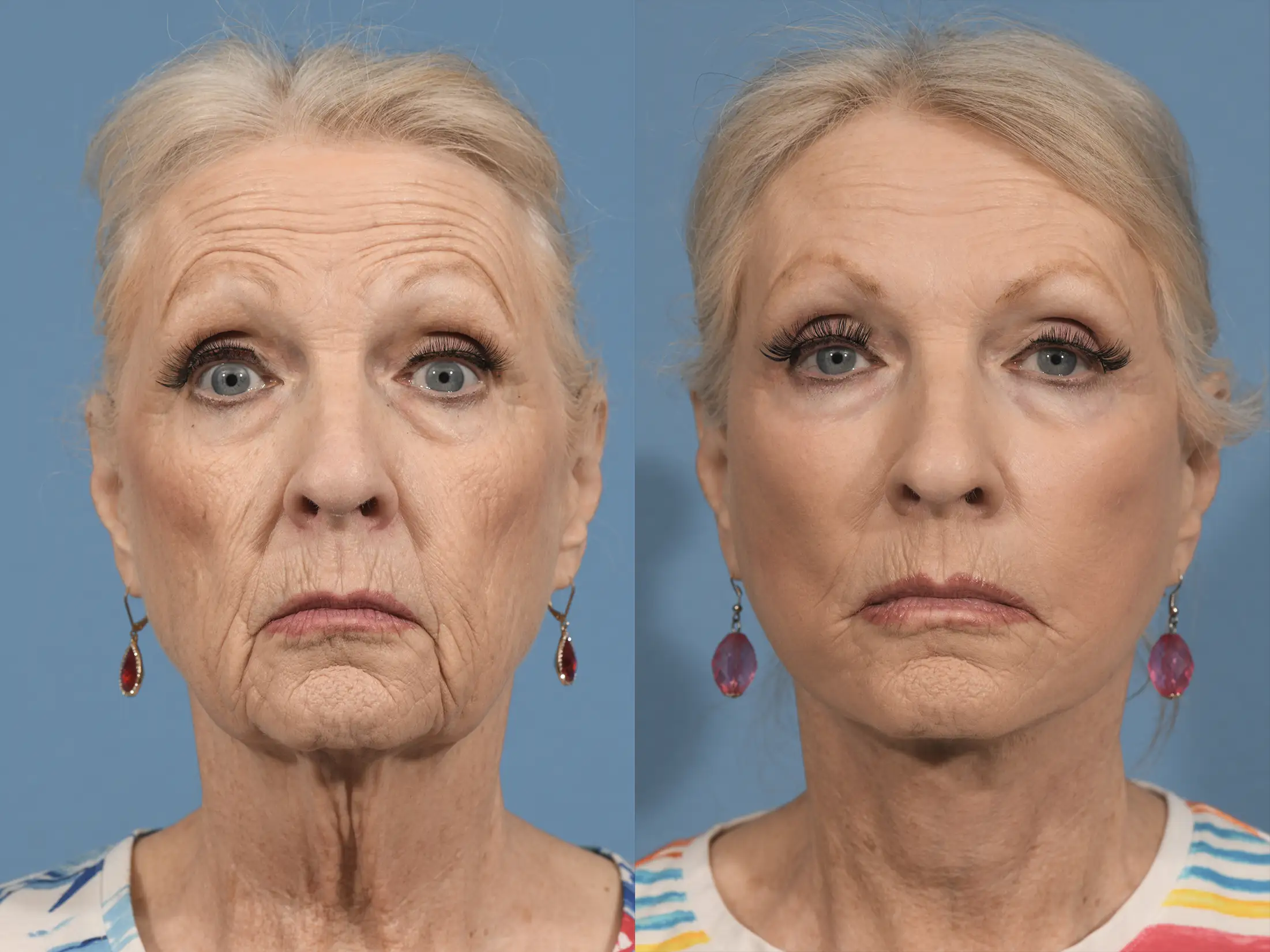
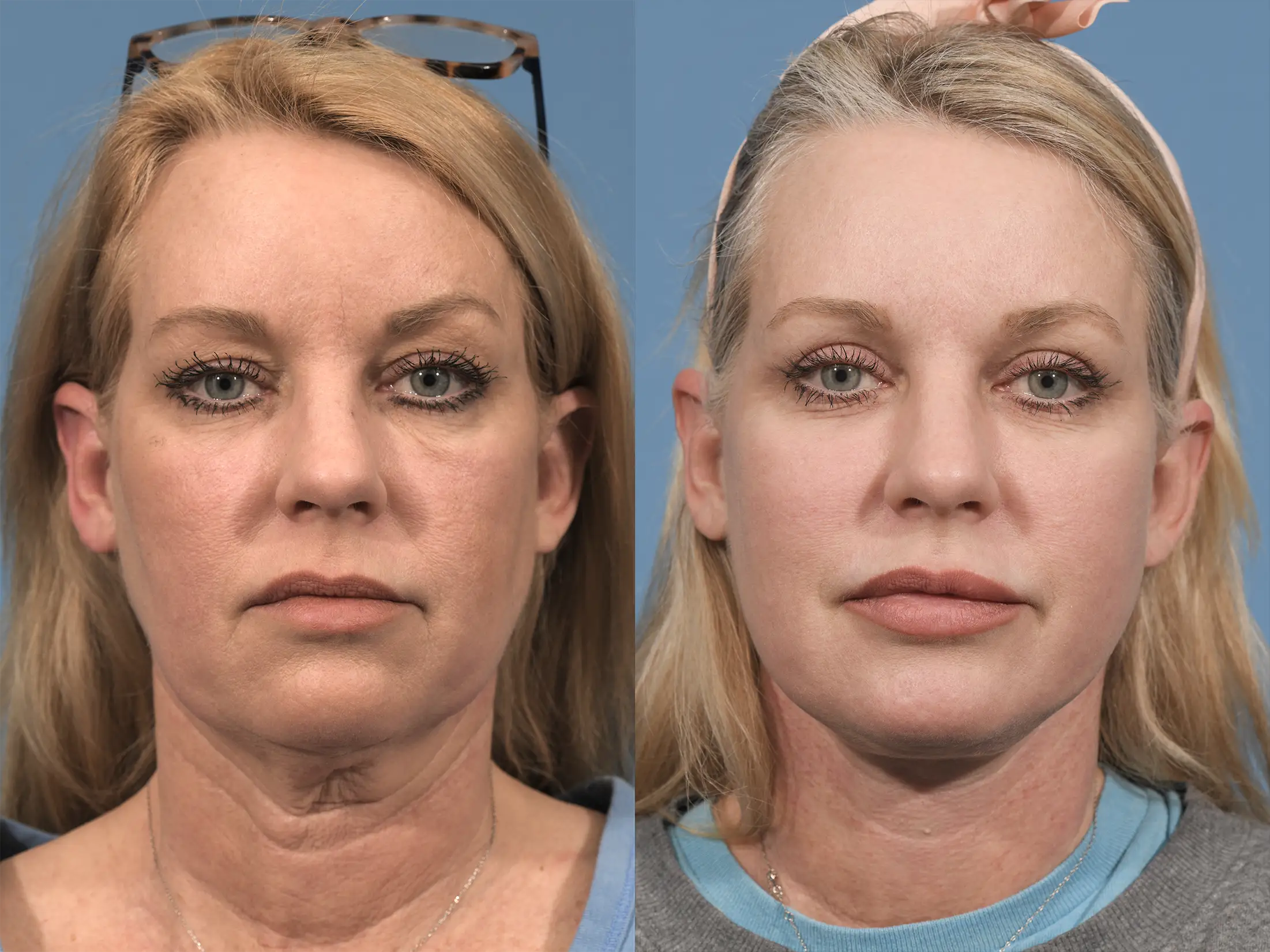
A facelift is an excellent way to combat the signs of aging in the neck and face. It’s often chosen by people who have sagging skin, jowls, or wrinkles who wish to appear more youthful.

Knowing the details about the surgery is essential but you should also know what to expect during recovery. While the effects of a facelift may not be fully apparent for several months, the recovery process takes less time.

Expectations After Surgery

Mild to moderate discomfort and pain should be expected but can be controlled with medication. After about 72 hours, the pain should decrease. Severe pain is uncommon but if it occurs, you should reach out to the surgeon’s office, immediately.

Swelling and bruising are also common. These will be worst at one to three days after surgery and subside over two weeks. Sleeping with your head elevated can help minimize any swelling and should be done for about three weeks following surgery.

Slight drainage may occur in the first two days which will be handled through a dressing with drains. This will be removed during your first post-operative visit and exchanged for a face garment to be worn for several days.

Avoid serious exertion or exercise for three weeks after surgery. You can begin to bathe or shower on the third day but use only mildly warm water. When combing or brushing the hair, be cautious around the incisions.

The Basic Timetable for Recovery

Day One

After the surgery is complete, you will return to your home. On the first day, you will be directed to use ice or cold compresses on the procedure areas.

Days Two to Three

During the next two days, you can expect to see the most bruising and swelling where the procedure was done.

Days Five to Seven

At this time, you will also notice that the bruising starts to go away.

Week One

Except when showering, it’s important to wear an elastic garment at all times unless directed otherwise. Makeup can be used as a coverup for bruises.

Weeks Two to Three

At night, the elastic garment should be worn. The swelling will start to improve but some areas of the neck and face may feel rather stiff. Any bruising can continue to be covered up with makeup.

Reasons to Call the Plastic Surgery Office

Some symptoms indicate the need to speak with someone at the surgeon’s office as soon as possible. These include:

  • Excessive or repeated vomiting
  • Developing a fever above 100 degrees Fahrenheit
  • A large increase in pain that is not easily alleviated through your prescribed medication
  • Unusual discharge or bleeding originating from the incision
  • Unexpected, or uneven sudden swelling

If any of these things occur after office hours, speak with an answering service. In a case where neither is available, visit an emergency department, so you can be evaluated.

Final Thoughts

Keep in mind that the timeframes and instructions listed above are general. Every person will have a unique recovery and you should direct questions to your surgeon. If you take the proper precautions, do research, and follow the post-op instructions, it often creates the best outcome and easiest recovery.

How to Have the Best Night’s Sleep After a Facelift

After having a facelift procedure, it’s important to get plenty of rest. Some people find the recovery process uncomfortable and exhausting, even if the results are well worth it. Here are some tips on the best way to get great rest after your procedure. Use the tips below to get as comfortable as possible so you get a good night’s sleep.

The Ideal Sleeping Position Following a Facelift

Pure comfort may not be possible right after a facelift, but you can make it easier by sleeping with your head elevated above the level of your heart. Use a couple of extra pillows under your head and one or two on the sides of your body to keep you from moving around as you sleep.

If you typically sleep on your side or stomach, try to get used to sleeping on your back before the surgery. Recliners are another great option since you will stay on your back without tossing and turning.

Sleeping on the your back is essential to avoid additional swelling. In addition, other sleeping positions can create pressure or friction on your face. This can irritate the healing tissues or even open the incisions.

Extra Tips for Great Sleep After the Procedure

Swelling, pain, anxiety, and the need to sleep in a new position can make sleeping a struggle for some. However, good sleep is essential for a speedy recovery, so there are a few things that you can do to ensure your sleeping environment is comfortable.

Prepare Ahead of Time

After a facelift, you may need a few weeks to recover, so you should prepare early. Clean up, have meals ready, and do any errands that might be needed during that time. In addition, add a few extra pillows to your bed. Make sure all the items you use in bed are within each reach, such as the remote control, magazines, a phone charger, and medication.

Remember What’s Coming

Facelifts may not be as painful as you expect but discomfort is still common. Many people feel anxious or stressed about how they might look after the procedure is done. Remind yourself that the first few days are the worst and that your face will look great after the bruising and swelling go down. If you are full of stress, it will be harder to sleep. Be honest with yourself and remember how you will look in less than a month.

Keep the Swelling Down

The worst discomfort during sleep is often associated with swelling. Using a cold compress in a light towel or cloth on the swollen areas can help with this. Lay it gently against your face for 15 to 20 minutes. Follow up with a break of at least an hour before starting the process again.

Never put an ice pack directly on your skin since this can lead to burns on the skin.
Final Thoughts

There are a variety of options for staying comfortable at night while recovering from a facelift procedure. Staying lightly active to avoid stiffness, avoiding caffeine to help you fall asleep, and cleaning your face gently with a damp cloth are all great ideas. Ask your surgeon for other tips that might help!

Lip Filler vs. Lip Flip – Which Is Right for You?

Years ago, there was a huge stigma around aesthetic treatments like Lip Fillers. Today things have changed. Young patients are taking advantage of the benefits of Lip Fillers and Lip Flips to improve the appearance of their lips.

Full lips are a common desire for many. Both Lip Fillers and the Lip Flip create the appearance of fuller lips. Fullness in the lips can lessen as we age. However, lip filler and lip flip are two different procedures.

What Is Lip Filler?

Lip Fillers are a dermal injection that can add volume, create a better facial silhouette, and even lessen the look of wrinkles. The most common type of filler is hyaluronic acid.

What Is a Lip Flip?

With a Lip Flip, Botox is injected just above the lip. This is different from a filler, which is injected directly into the skin of your lips. The purpose of a Lip Flip is to relax the muscle over your lip, which causes it to “flip up” a small amount: hence the name.

How Long Do Lip Fillers and Lip Flips Last?

On average, Lip Fillers often last from 10 to 18 months. However, some fillers might break down as quickly as six months while others might last an entire two years. Your mileage may vary.

For a Lip Flip, the results will often last for about three to four months. As such, this procedure needs to be done on a more frequent basis than Lip Fillers.

Reasons to Choose a Lip Flip

If you’re trying to decide between Lip Fillers and Lip Flips, there are a few situations where lip flips are considered the superior option. These include:

  • More subtle changes – No volume is added with a flip, so the lip size doesn’t experience any changes.
  • Treatment of gummy smiles – Flips can help reduce the amount of gum that shows when smiling.
  • Temporary results – While Lip Fillers are longer-lasting, a Lip Flip gives results that only last a few months.
  • Great for experimenting – Lip flips are great for seeing how you like lip aesthetics and enhancement treatments.

Why Choose Lip Fillers?

There are also reasons to choose Lip Fillers instead of Lip Flips, depending on your desires. These include:

  • Less subtle changes – Lip fillers can change the size and volume of your lips. You can go dramatic or add a little and keep a more natural look.
  • Long-term results – Lip fillers last quite a bit longer than a Lip Flip, especially when you choose a filler that can last a year or longer.

Final Thoughts

The right treatment for you will depend on what your goals are. If you are not sure, talk to a facial plastic surgeon – like Dr. Smith.

Message or call us.

What to Know About Skin Resurfacing: IPL, Laser Resurfacing, Chemical Peel, and Dermabrasion

A skin resurfacing procedure can be a life-changing experience. However, before you set an appointment, make sure you know all your options. IPL, laser resurfacing, and chemical peels are some of the most common ones.

Why think about skin resurfacing? Most people choose one of these procedures to help with sun damage, fine lines, acne, and facial scars. All of these options are less invasive than traditional plastic surgery and have a much faster recovery time.

IPL – Intensive Pulsed Light

IPL is a photo rejuvenation process that is used to target cells that cause skin redness, sun damage, or pigmentation. It is considered gentler than traditional laser treatments and is often used on patients who only need a minor treatment option. Multiple sessions are often required to get the best results.

With IPL, several wavelengths of light are used to treat areas faster. In addition, it’s useful for multiple conditions. It can be used for acne scars, sun damage, birthmarks, stretch marks, rosacea, spider veins, hyperpigmentation, and melasma.

Laser Resurfacing

Laser resurfacing has been around for many decades. It uses beams of light to target water molecules and remove skin cells in problem areas. The top layer of damaged skin is removed so the fresh skin underneath can be seen. The typical downtime after the procedure is a week to 10 days as the skin heals.

Laser resurfacing can be used for acne scars, some non-melanoma skin cancers, cold sore scars, uneven pigment, sun damage, and mild or moderate wrinkles on the face.

Chemical Peels

Chemical peels use a variety of chemicals to remove layers of skin so the fresh skin underneath can be seen. This procedure can improve fine lines and wrinkles, improve scars and acne, and improve uneven coloring or other skin imperfections.

During the treatment process, a solution of safe, facial chemicals are applied to the skin. This causes a controlled depth injury to the skin so it peels off to show more youthful skin. The skin underneath often has a better smoothness with fewer apparent wrinkles and lines. It will also have a brighter complexion and a more even color.

Dermabrasion

Dermabrasion is a technique using a rotating tool to remove outer layers of skin on your face. It’s a common choice for those who want a better skin appearance. A professional will numb the skin before removing the outer layers. Dermabrasion is a quick procedure and you can go home after it is complete.

This procedure can be used to treat acne scars, tattoos, age spots, sun damage, fine wrinkles, scars from injury or surgery, precancerous skin, and redness or thick skin on the nose.

Final Thoughts

Each of these options can help create healthier and more aesthetically pleasing skin. However, it is up to you which procedure suits your needs.

Call or message us.

Everything You’ve Ever Wanted to Know About Cheek Fillers

Are you curious about fillers for cheeks? Many people who have nearly unnoticeable or flattened cheekbones think about getting dermal fillers to enhance their cheeks.

The main purpose of this procedure is to help smooth out wrinkles and fine lines, create added volume to the face, and create the appearance of lifting your cheekbones.

What Are Cheek Fillers?

When you get cheek fillers, an injection is made that adds volume to the area near and above the cheekbones. This creates the look of additional bone structure.

When these injections are made, they also help eliminate the appearance of fine lines and wrinkles.

Several different materials can be used for cheek fillers. Polylactic acid and hyaluronic acid are the most common choices for the under-eye and cheek area. The fillers are temporary and need to be renewed after several months.

How Long Do Fillers for Cheeks Last?

Fillers can last anywhere from six months to two years. It all depends on which kind of cheek fillers you choose. Over time, the filler material will dissolve and metabolize, leaving collagen behind. Collagen is good for the skin.

Who Can Get Cheek Fillers?

If you’re healthy, do not smoke, and have no chronic health issues, you are likely a good candidate. It is not recommended that one gets cheek fillers if any of the following apply:

  • You are breastfeeding or pregnant.
  • You suffer from bleeding disorders.
  • You’re allergic to any of the compounds found in dermal fillers.

What Is It Like to Get Cheek Fillers?

First, you will have a consultation with Dr Smith about your desired results. Once that is complete, you can schedule an appointment to get the injections, and in some cases the injections can be performed that day.

In the two weeks before the procedure, it is important to avoid taking blood-thinning medication, such as aspirin.

Dr Smith may also have extra instructions for preparing you for the process. Make sure Dr Smith is aware if you take prescription blood thinners.

At the appointment, you will recline comfortably. A numbing agent or topical anesthetic may be used before the injections or will be included in the shot itself. The injection process is quick and usually takes less than 30 minutes.

After injections, some results will be immediate. However, it can take up to 48 hours for the fillers to settle in the right location. You can drive after the injections, run errands, or even go to work.

During the first few days after injections, do not sleep on your cheeks. It’s also a good idea to avoid serious exercise for about two days. Try to keep your face clean and dry and avoid touching it.

Final Thoughts

Cheek fillers are a simple procedure with results that can last for months or years. It’s important to choose a provider who is licensed and experienced to put in the dermal fillers.

As a Facial Plastic Surgeon and former National Allergan Injection Trainer, Dr. Smith brings artistry and experience to injections.

Call or message us.

Tips For Rhinoplasty Recovery

Recovery from Rhinoplasty can be a process, especially if you are not accustomed to taking downtime. But with a few simple tips, your recovery process can go as smooth as possible.

Take Care of Your Nose

Taking care of your nose may seem like an obvious suggestion for rhinoplasty recovery. However, if you are not careful about nasal care, you can cause issues and lengthen your recovery. One tip for caring for your nose is to avoid rubbing it; even if it is difficult to do so.

You will want to avoid blowing your nose for the first two weeks (check with your doctor). You can use a tissue to gently wipe your nose if you need to do so. Be careful about sneezing as well. You’ll want to do that with an open mouth.

Get Plenty of Rest

Rhinoplasty is surgery, so you will require extra rest as you recover. If you feel tired, even during the day, rest. Get plenty of sleep at night. Sleep is highly beneficial to a proper recovery and healing.

Part of resting is refraining from strenuous activity. That includes hobbies and fitness activities. You’ll want to stay away from work for a minimum 3-7 days. Your surgeon will let you know if you need additional time away from work or activities.

Keeping your head elevated will help reduce swelling. You should keep your head above your heart even when sleeping. You can do this by using extra pillows behind your head when you go to sleep, or by sleeping in a chair that reclines.

Be Patient

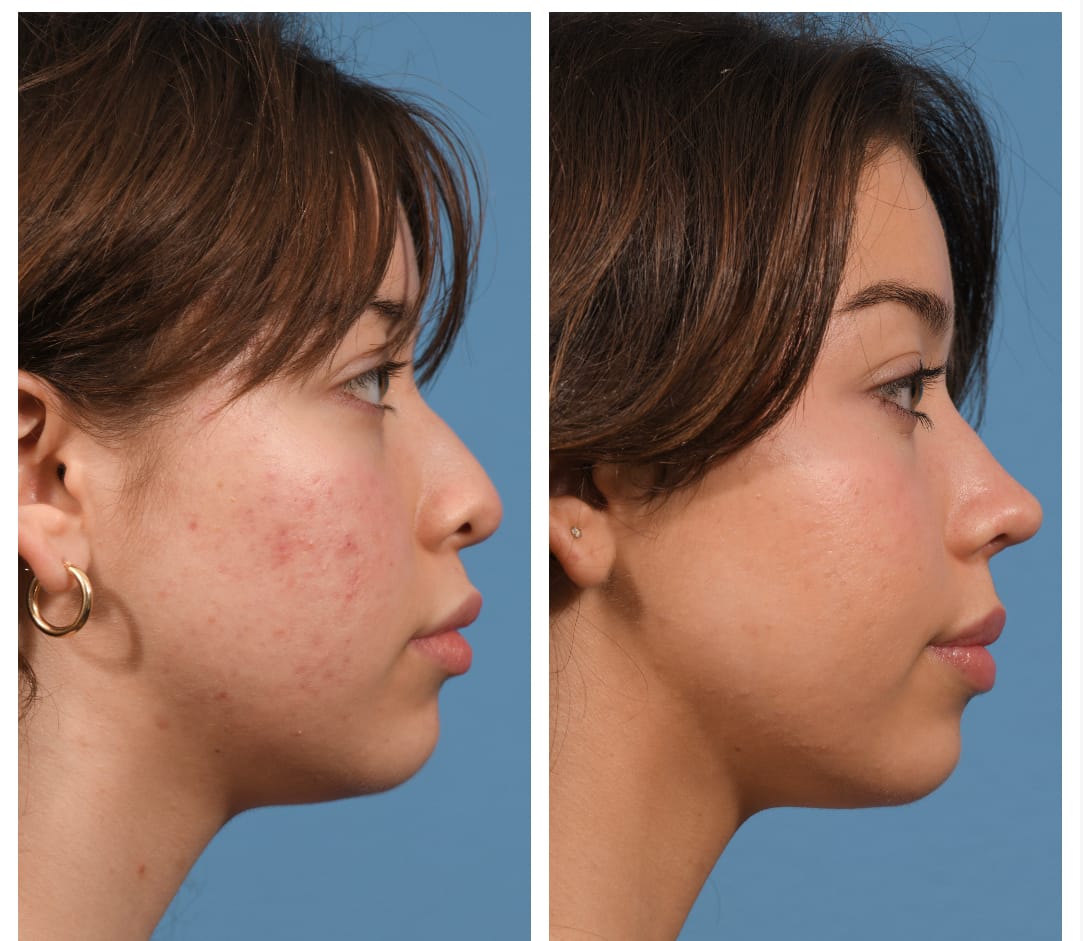
Swelling can last months after having nasal surgery. Some patients experience mild swelling for as long as a year. Most people will not notice the swelling after a couple of months, but you may notice the swelling yourself for a while.

While swelling is present, you may be unable to tell what the final shape of your nose will be. As you recover, and the swelling reduces, you will begin to recognize what your new nasal shape is. Be patient during this process and remember that the swelling is temporary.

Conclusion

Rhinoplasty is surgery. As with any surgery, you will require adequate time to recover. Sometimes, recovery can seem extremely hard. There are things you can do to make that recovery go more easily.

The first thing you need to do is realize that your nose, and possibly around your eyes, will remain swollen for a while. To help with the swelling, you can sleep in a more upright position, and use ice around the nose. Get plenty of rest including limiting some routine activities. Follow your surgeon’s instructions carefully. Take care of your nose for the easiest possible recovery from rhinoplasty.

History of Botox

Most people think of Botox as a cosmetic procedure. It might surprise you to learn that it was not originally introduced for use in cosmetic applications. That was a happy accident for the original practitioners using the toxin.

How did Botox become one of the most popular cosmetic procedures? Since the initial FDA (Food and Drug Administration) approval, the uses for Botox have become more varied.

Let’s learn when Botox was discovered, and how it became one of the most popular cosmetic procedures available.

The Discovery of Botox

A Belgian scientist by the name of Emile Pierre van Ermengem was the first to discover the bacteria clostridium botulinum. His discovery was made after an outbreak of botulism in the 1800s. This bacterium, known as the deadliest bacteria worldwide, is what scientists have harnessed to create the Botox used in medicinal and cosmetic applications.

First Uses of Botox

In the 1920s, scientists started attempting to isolate botulism toxin. Success was achieved approximately 20 years later. Dr. Edward Schantz is credited with isolating a crystalline form of the toxin.

In the 1970s, Alan Scott began experimenting with Botox as a treatment for the ophthalmological disorder strabismus (eye-crossing). He injected botulinum into the muscles of the eyes. His procedure worked when three surgeries had not, and Scott became known as the father of Botox.

In addition to strabismus, Botox was used to treat blepharospasm. This constant eye-twitching was corrected by injecting Botox into the eyelid. During the initial trials for FDA approval, the cosmetic indications for the drug were discovered.

Botox As A Cosmetic Treatment

During testing on monkeys in the 1980s, botulinum proved useful in smoothing the furrows between the eyebrows. The first company to produce Botox for use in cosmetic procedures was Allergan. They had bought the rights to Botox from Alan Scott in the late 1980s or early 1990s.

From the initial use as a treatment between eyebrows, Botox began to be used in other facial applications. Someone noticed that the toxin makes wrinkles and fine lines look smoother. Doctors use their clinical best judgment to determine whether Botox should be used to treat wrinkles. Since its discovery, Botox has become the most popular cosmetic procedure available for the treatment of fine lines and wrinkles.

How Botox Works

Many people think that Botox works by filling the wrinkles in the skin. However, it actually works on the muscles and neurotransmitters within the muscles. Basically, Botox blocks the reception of messages from the brain to the muscles that cause the muscle to contract and move. Blocking this movement of the muscle causes the muscle to smooth making wrinkles seem less pronounced.

Conclusion

Botox is known as a cosmetic procedure that smooths wrinkles. However, it was initially used as a treatment for ophthalmologic conditions like eye-crossing and eye twitching. Since the FDA began testing it in the late 1980s or early 1990s, many medical and cosmetic uses have been discovered for the toxin.

Non-Surgical Treatments For Hair Loss

Factors leading to hair loss vary. Aging is a factor; however, things like diet, disease, and even stress can cause balding. Luckily, there are some treatments available for those experiencing hair loss.

While hair transplantation might be the most effective solution for hair loss, particularly advanced hair loss, there are also many non-surgical treatments worth consideration.

Topical Treatments

Topical treatments are creams, gels, foams, or lotions that you apply directly to your skin. The most well-known of these treatments is minoxidil, more commonly recognized by the name Rogaine. Topical treatments may take a few months to begin working, and their benefits will be lost if you stop using them. Typically, topical treatments are available without a prescription.

Medications

The prescription medicine Propecia (finasteride) is useful in helping thicken hair and stop hair loss. It’s designed primarily to be taken by men because of its effects on lowering by-products of testosterone that lead to male pattern baldness. Some doctors will prescribe it for women, but it is advised that they avoid becoming pregnant while taking the medication. Like the topical treatments, the effects of Propecia reverse if you stop taking it. Finasteride is now available in a topical formula, as well.

Vitamin and Hormone Treatments

There is some evidence indicating that vitamin deficiencies or hormonal imbalances can cause hair loss. Particularly, B vitamins, like Biotin and B12, and vitamin D can contribute to hair loss. Adding those as supplements or with dietary changes can help reverse the process and stimulate natural hair growth. Hormone therapies can also help with hair regeneration.

Conclusion

Anyone, at any age, can experience hair loss. The causes are varied, but some of the common ones are aging, vitamin deficiencies, diseases, and even stress. Non-surgical treatments have become more common, and some of them are available without a prescription while others require one.

Topical treatments, like Rogaine, are typically available without a prescription, but they only work for the duration of the treatment. Prescription oral treatments, like Propecia, are also only effective while you are taking them, and they are typically only recommended for men. Finally, vitamin deficiencies can be somewhat corrected by supplements or dietary changes and those may reverse hair loss caused by the deficiency.

A Few Recent Rhinoplasty Testimonials

“I had septoplasty and rhinoplasty with Dr Smith 10 days ago and I am already satisfied about the way my new nose looks like. And is only getting better and better with time :)”
-A.


“After Rhinoplasty consults elsewhere, I was grateful to find Dr. Jesse Smith. His honesty and openness to discuss possibilities, answer questions, and set expectations was refreshing. He made me a better version of ME.”
-B.


“It’s been 2 weeks after my surgery and I can already breathe much better!
He has a very kind and professional bedside manner.
I will return for Botox and fillers as soon as I have healed properly.
Highly recommend this surgeon to friends and family for all their ENT/Cosmetic needs!!!!”
-S.

All About Skin Cancer Reconstruction

Unfortunately, skin cancer is not an uncommon occurrence in the United States. In fact, 1 in 5 Americans over the age of 65 will suffer from it in their lifetime. When skin cancer is caught, and operated on, it can often lead to large areas of the skin removal. In such cases, many skin cancer survivors opt for skin cancer reconstruction.

Following detection of skin cancer, the cancer is usually removed by a qualified Surgeon or Dermatologist. Basal cell and squamous cell skin cancers are most commonly treated with the Mohs microscopic surgery method. In new cases of skin cancer, it cures 99% of cases, and can cure 95% of cases in cancer that has recurred.

The cancerous area of skin is excised, and layers of skin are removed until no more cancer cells can be seen under the microscope. Depending on how serious the skin cancer is, and how much it has spread, there may be a fairly large amount of skin removed.

What Happens After Skin Cancer Surgery?

Following a successful Mohs procedure, the patient’s overall health, as well as cosmetic concerns, will dictate how the reconstruction will be handled. Any wounds that are relatively small will heal on their own. For wounds in sensitive areas, and for larger wounds, there may be scarring related to large amounts of skin removal.

Occasionally, more complicated wounds may require skin flaps, where healthy tissue from an adjacent part of the body is moved into the wound bed and stitched over the wound. Other options can include grafts, where different portions of the body are removed and stitched over the wound.

Following reconstructive surgery, the surgical site will be cleaned and bandaged, and the patient will be administered any necessary prescription medications. The plastic surgeon will go over any activity restrictions or follow-up appointments so that stitches can be removed.

What Happens After Reconstruction Surgery?

Immediately after surgery, you will need to have someone drive you home. You should try to get up and walking about as soon as possible. If you have had reconstruction surgery around the face area, avoid bending forward and try to rest your head at a 45-degree angle while sleeping. It’s important to consult your plastic surgeon regarding healing and activity restrictions.

For the first year, avoid exposure to the sun. After the procedure, some mild discomfort may occur, as well as redness and bleeding, but the chances of complications associated with reconstruction surgery tend to be low. However, it should be noted that infection, excessive bleeding, and scar formation are among the complications that may occur.

Remember, following your plastic surgeon’s recommendations and keeping your follow-up appointments are essential. To minimize scarring, additional procedures may be necessary, such as injections, laser resurfacing, dermabrasion, and graft touch-ups. Make sure that you are also keeping an eye out and following up with your Dermatologist to have your skin checked for reoccurrences of cancer.