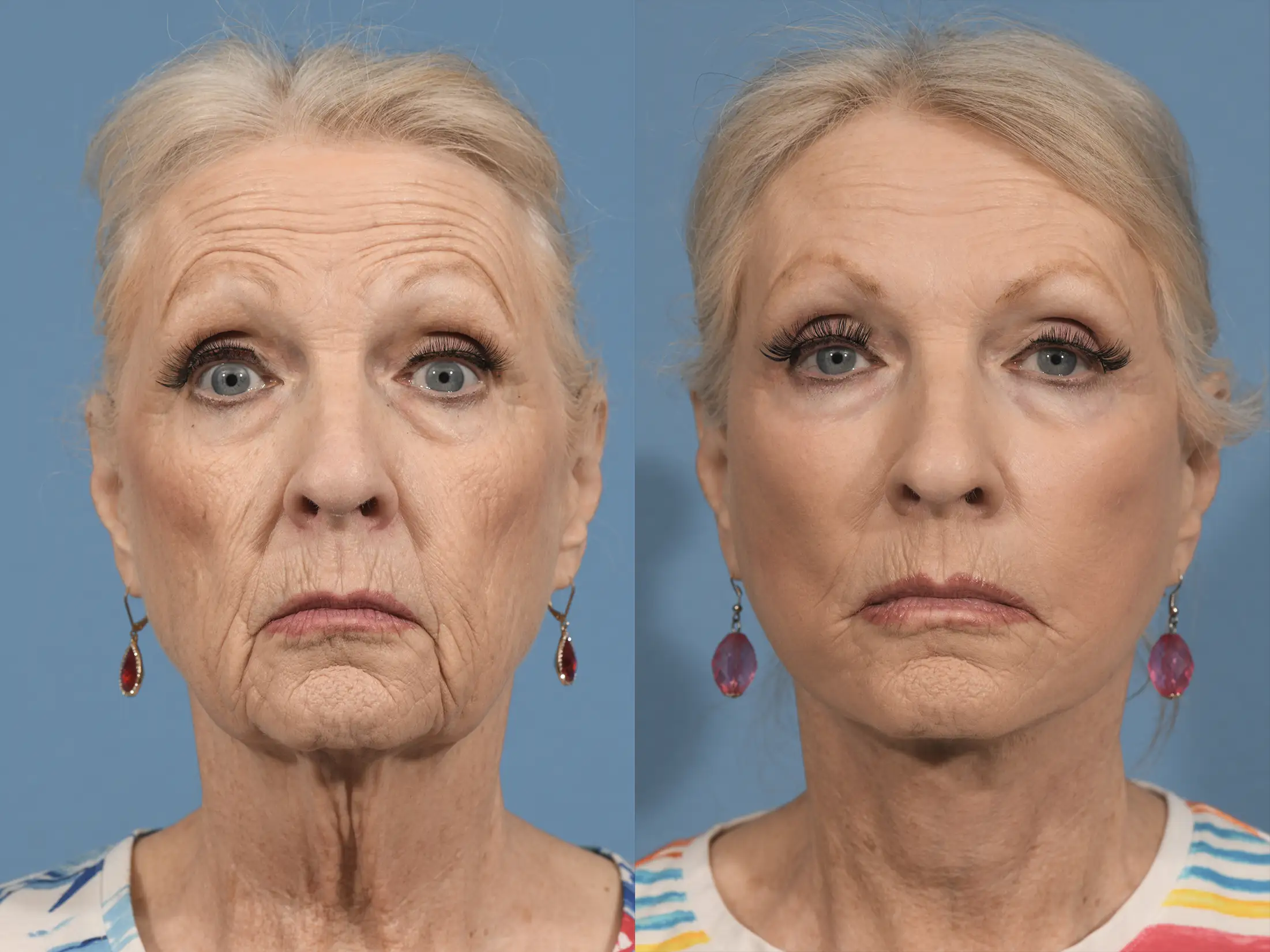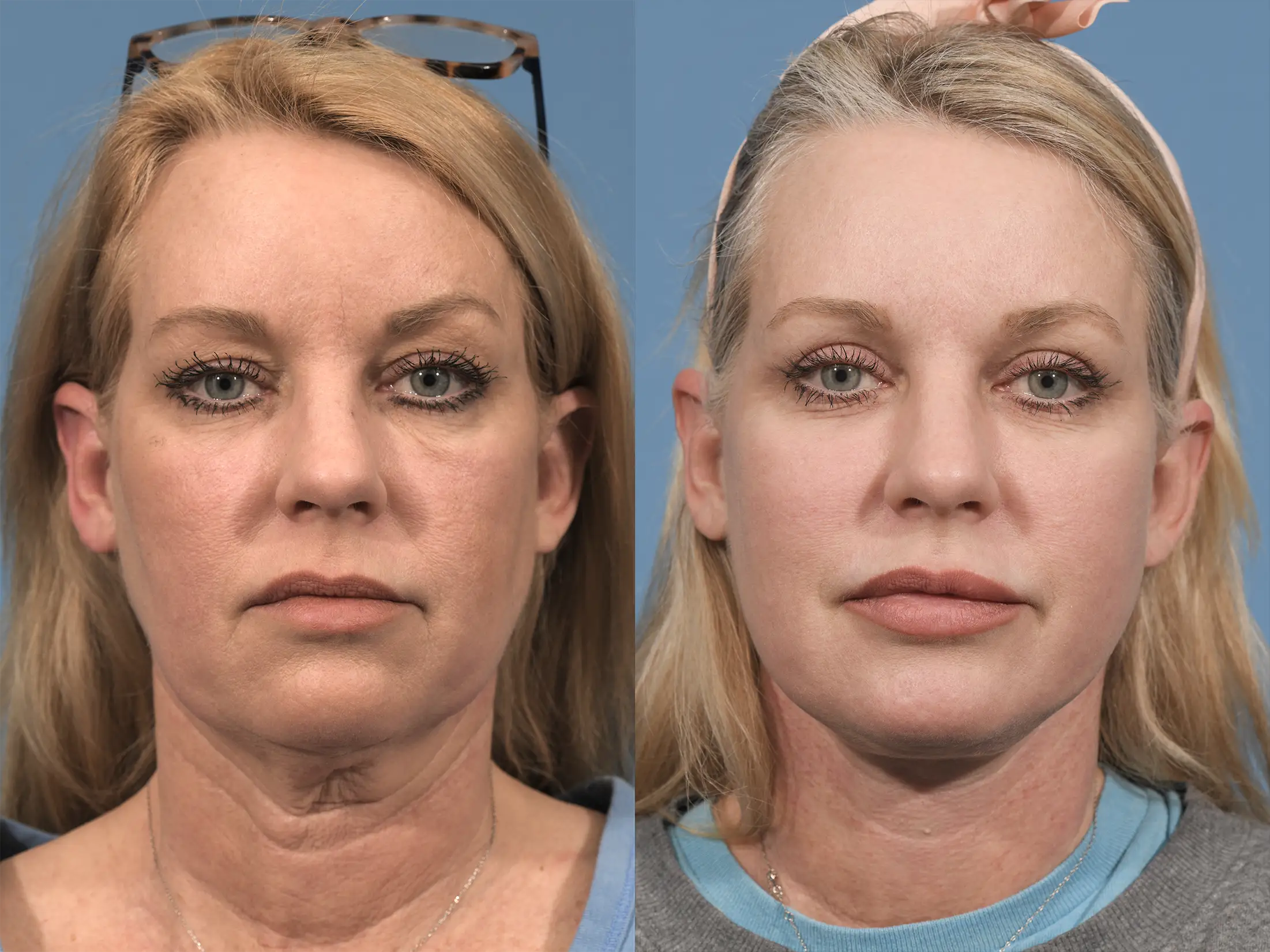
5 Things to Know About A Mini Face Lift

Many Americans opt for some form of plastic surgery each year. There are numerous popular options for plastic surgery, with many of them aimed at helping people look as young as possible for as long as possible. This is why the mini facelift is such a popular procedure. The results can be amazing with very little downtime or side effects. If you’re considering a mini facelift, here are five things you should know before you proceed.

They Can Help You Prevent Further Aging

You can control a lot of how you care for your skin, such as regularly applying SPF or a good skincare routine, but you can’t control hormones and genetics. Getting a mini facelift can help slow the toll that time and other factors have on your appearance. Getting a mini facelift when you start to notice the first signs of aging can help to prevent you from looking older before your time.

Recovery Time is Quick

With a mini facelift, not only are the results noticeable, but they also show up pretty quickly. Because the procedure only involves small incisions, there’s much less swelling and bruising, which means less downtime and a shorter recovery after surgery. Within a week after surgery, you may be able to return to work and your usual activities. However, it is important to note that it can take up to a year to see the full, complete results of your mini facelift.

The Procedure Isn’t Very Invasive

The mini facelift is both effective as well as being minimally invasive, making it an ideal procedure. There will be less scarring because fewer incisions are required, and the procedure usually only takes a few hours to complete. In some cases, surgeons might even choose to do the procedure using only a local anesthetic rather than a general anesthetic.

The Results Look Natural

Mini facelifts might be called mini, but they can actually have significant results. The skin is not only lifted and smoothed out, but excess fat can also be removed, and the muscles adjusted to create the most natural look possible. Don’t think that just because it’s a mini facelift and not a full procedure, that the results won’t be beautiful and noticeable!

The Results Will Last a Long Time

If you take care of your skin following the procedure, there’s a chance the results will last for up to a decade. For the best results, it’s highly recommended you protect your skin with SPF every day, as well as wearing a hat and sunglasses during peak hours of sunlight.

A mini facelift can be an ideal procedure for making you look younger without a lot of downtime or having to undergo an invasive procedure. If you think the mini facelift might be an ideal option for you or would like to learn more about it, get in touch!

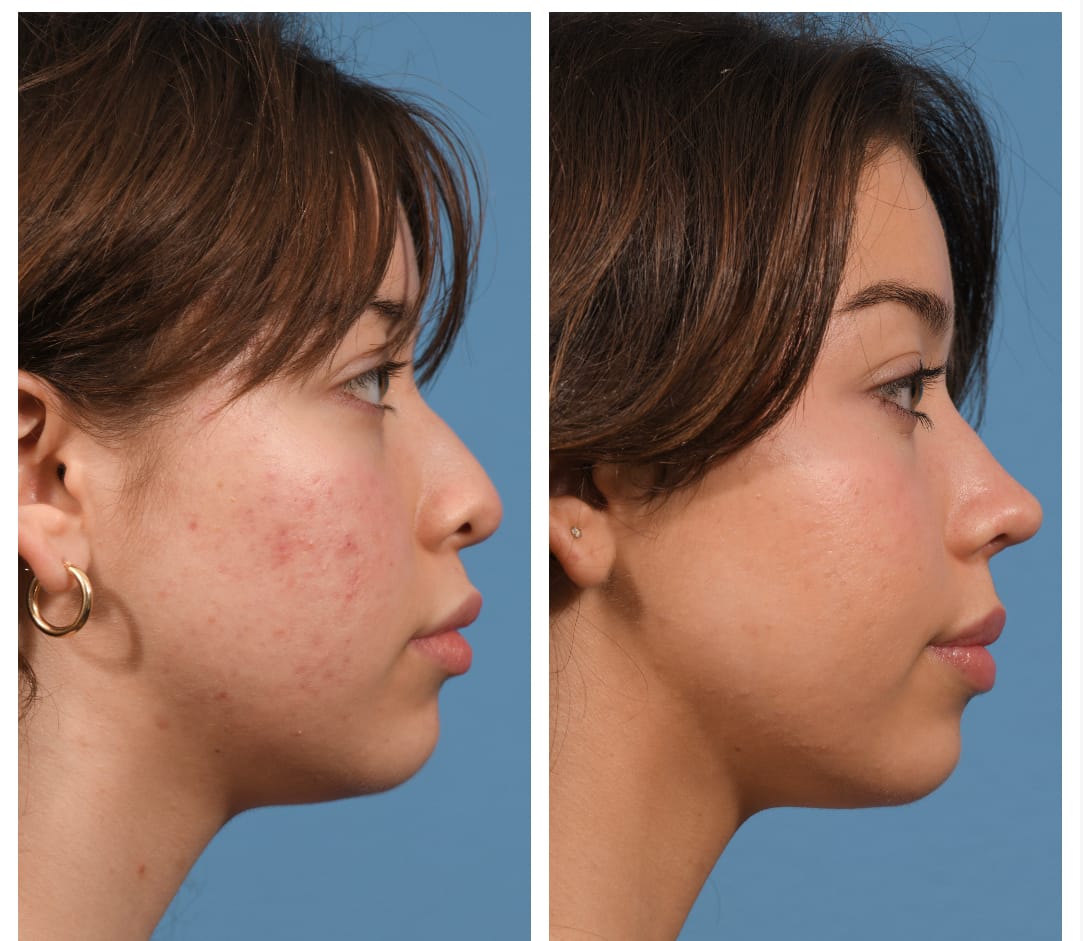
5 Things You Want To Know About Rhinoplasty

Rhinoplasty is a common procedure that is regularly performed in the United States. Many people give advice about nose jobs, but it can be difficult to know who to trust. Before you delve into getting a rhinoplasty, you should know all the facts. Here are five things you will want to know about rhinoplasty before getting the procedure.

Do Your Research First, and Do It Thoroughly

Do not just dive into a plastic surgery procedure, particularly one that involves your face! It is important that you know exactly what you want, that you choose the right surgeon, and that you are able to communicate your desires to your surgeon. To do all this, you need to do some research and do it thoroughly.

Know The Type of Nose Job You Want

Rhinoplasty is very safe when performed by a skilled Facial Plastic Surgeon. What many people do not know is that there are actually two types of rhinoplasty. Open Rhinoplasty involves folding the skin of the nose up in order to perform the procedure, while Closed Rhinoplasty is performed through the nostrils, but does not require any external incisions. Each procedure has pros and cons. For example, closed rhinoplasty has less downtime and usually a faster recovery time than open rhinoplasty. Open Rhinoplasty allows the surgeon better visualization and more room to work. Before you get a nose job, ask your surgeon about both procedures to find out which one is right for you.

Understand That Results Take Time

Before surgery, most people are not prepared for the healing time. In fact, many patients are not even aware that it can take a year for them to see the true results of their procedure. When patients seek a revision rhinoplasty, it is often because they are not happy with the results before they really give their nose a proper chance to heal. Be ready for the lengthy healing process and to wait a considerable amount of time to see the honest result of your surgery.

Nonsurgical Rhinoplasty Is an Option

Did you know that you don’t have to have an expensive operation in order to have a different nose? In some cases, dermal fillers can be used to conceal bumps on the bridge of the nose or the nose tip. However, fillers are temporary, usually lasting about 12-18 months. Nonsurgical rhinoplasty is certainly something to be aware of if you only want minor changes made to your nose. It can also be a great way of getting a better idea of what your nose might look like after a full rhinoplasty procedure.

Results Differ Depending on The Patient

It does not matter how prepared you are or how many other accounts of rhinoplasty you have read; the results always differ from patient to patient. Everything, from the end result, to the recovery time, to how your wounds heal, will vary.

Rhinoplasty is one of the most popular elective plastic surgery procedures available, and it can have a dramatic impact on the way you look. If you have been considering rhinoplasty or would like to know more, get in touch!

Facelift Options

A facelift can make you look younger, restoring a more naturally youthful appearance by lifting and firming sagging facial tissues. When excess, sagging, skin is removed, deep folds are smoothed, and the deep tissues of the face are lifted and tightened, a facelift can potentially work wonders.

As we age, our face naturally loses its elasticity and volume. As a result, it is common to develop jowls, neck bands, lower cheeks, and loose skin. The signs of aging are a natural part of growing older, but some patients find that a facelift is a good solution to these concerns and can help to boost their confidence.

Types of Facelifts

Mini-Facelift

A mini facelift is often appropriate for patients who have minimal sagging skin and mild jowls. In this less invasive technique, the surgeon makes discreet incisions along the hairline above each ear and usually around the ear creases to tighten deep facial tissues. Jowls are reduced, the cheeks are lifted, and the neck is tightened by lifting and tethering structural tissues around ear and hairline. This results in a more youthful and rested appearance.

Dr Smith will recommend what type of anesthesia is appropriate for your individual needs when performing a mini facelift. Typically, local anesthesia and sedation are used. A mini facelift can help to delay the need for more invasive surgery for several years by addressing unwanted signs of aging before they become too prominent. It’s the perfect option for those who don’t require, or desire, a standard facelift.

Deep Plane Facelift

Deep Plane facelifts are the more well-known, procedure that provides a comprehensive solution for moderate to advanced aging around of the face and neck. Despite the longer recovery time compared to a mini facelift, the results are much more dramatic. The surgeon will make an incision located behind the hairline, near the temples, and around the front of the ear to remove excess skin and reposition the deeper tissues beneath the skin to eliminate jowls and restore a youthful appearance to the face and neck. Dr Smith employees the newest techniques that dispense with the tell-tell signs of older standard skin lifts.

How Does Facelift Surgery Work?

Plastic surgeons use different techniques for a facelift depending on factors such as a patient’s anatomy and personal aesthetic goals. Some less extensive procedures can be performed under local anesthesia with some sedation, although general anesthesia is usually used for the vast majority of standard facelifts.

Incisions are made to separate the skin from the muscles and connective tissue underneath. As a result, the surgeon is able to reposition the deeper facial tissues (called the SMAS) and improve the skin’s foundation, while repositioning the underlying structures to a more youthful and natural position. After removing excess skin, the remaining skin is gently repositioned over the newly rejuvenated tissue, creating a smoother, more youthful appearance without an overtightening or wind-swept look.

Can I Have a Nonsurgical Facelift?

Some non-invasive treatments can make you look more youthful without removing sagging skin or repositioning tissues. If you don’t think that a surgical facelift is the right option for you, you could consider alternatives, such as Botox, fat injections, dermal fillers, a liquid facelift, micro-needling, chemical peels, or laser skin resurfacing. Place link here to other page

Facelifts are a very common procedure that many people undergo when they wish to reduce signs of aging. There are numerous different facelift options, which can be tailored to your specific needs. Contact the office today to learn more.

The Many Uses of Botox for the Face

Botox is a well-known procedure used to remove wrinkles from the face, typically in the forehead or the area around the eyes. What is not commonly known is that Botox has far more uses for the face than just helping with appearance. Here, we will talk about many of the ways Botox injections can be used to treat different conditions.

Eyelid Spasms

Botox is a neurotoxin which temporarily paralyzes nerves, and thus, stops the nerves from communicating with the muscles. With blepharospasm (eyelid spasms), an individual loses control of the basal ganglia, which controls their eye movements. This can cause droopy eyelids or uncontrollable twitching. These abnormal facial movements can be very disruptive to everyday life. Botox works by blocking the nerves from communicating with their muscles at the neuromuscular junction. In blocking receptors, the drug cuts off access to the nerves, so the muscles become paralyzed, which stops spasms.

Crossed Eyes

Botox was also initially approved for treating crossed eyes, also known as strabismus. Crossed eyes can be congenital in children or result from trauma, such as blunt force trauma to the eye area. When people have crossed eyes, they can be permanently corrected by surgery, but they may also opt to get Botox first to relax their muscles and see what the uncrossed eye will look like. Botox can also be used by people with strabismus to calm their eye muscles without having to undergo eye surgery.

Hypersalivation

Hypersalivation can be an extremely irritating condition, often negatively affecting the sufferer’s ability to live a normal day-to-day life. Fortunately, yes, Botox can actually be used to treat hypersalivation by paralyzing the nerves and stopping them from overproducing saliva.

Bell’s Palsy

An individual with Bell’s palsy suffers from one-half of their face drooping as a result of facial nerve paralysis. It can be caused when pregnant, when someone has diabetes, or when a virus has been transmitted, and with other viruses, such as Lyme disease. With recovery of the nerve, the crossed fibers can cause severe facial tics and spasms. The spasmodic facial muscles can be relaxed with Botox injections to aid recovery in Bell’s Palsy.

Spasmodic Dysphonia

Spasmodic dysphonia is characterized by the sound of shaky, strained, or hoarse vocal cords. Even though it affects the voice, it is actually classified as a neurological condition, and not a speech disorder. With spasmodic dysphonia, an individual’s speech can be affected by uncontrolled spasms caused by abnormal brain signals. Botox helps by weakening the muscles of the vocal cords so that the voice is smoother and more stable, with less strainig.

Thyroid Eye Disease

If the thyroid is overactive due to Graves’ disease or hyperthyroidism, the eyes sometimes cannot close completely. When a person has thyroid eye disease, their eyelids can often appear retracted or bulging. But, with Botox injections, the eyelid’s muscles weaken, causing the eyelids to appear more normal.

Botox is commonly known as the solution to fine lines and wrinkles. But it has so many more beneficial uses than just reducing the visible effects of aging.

What Is Closed Rhinoplasty?

Rhinoplasty is one of the most commonly performed procedures in plastic surgery, where the shape and size of the nose are corrected to better suit the patient. In both open and closed rhinoplasty, nasal asymmetry is corrected, and nasal proportions are enhanced.

Many people do not realize that there are actually two forms of rhinoplasty: open and closed. There are a few reasons that patients seek a nose job, regardless of the technique used. Rhinoplasty is often recommended to patients who are unhappy with their natural nose or have had injuries, such as a sports injury or car accident, that have caused damage to the nose, changing the shape and function. The following factors can be corrected with rhinoplasty:

  • A nose that is not in proportion to the face, is too large or is too small
  • A nose that has a bump on the bridge
  • A nose that is too wide for the shape of the face
  • A bulbous, protruding, or misshapen tip to the nose
  • Flared or pinched nostrils
  • A nose that is asymmetric, or crooked

What is the Technique for Closed Rhinoplasty?

During closed rhinoplasty, the incisions are made from within the nostrils. This form of closed surgery does not leave any visible scarring. The closed method, however, is more challenging to apply. This is why it’s so critical that the surgeon performing the procedure is an expert in closed rhinoplasty.

Both closed and open rhinoplasty techniques are applied by surgeons today. Typically, it is important to consider the patient’s nasal structure when deciding on the appropriate technique. A closed rhinoplasty is generally preferred if there are no functional issues or dramatic changes to be made. There may be certain situations where closed rhinoplasty is not suitable, and your surgeon might suggest open rhinoplasty instead. Your individual case should be carefully examined, and the surgeon should suggest the procedure that is best for you.

How Long Does Closed Rhinoplasty Take to Heal?

Typically, the biggest concern with the healing process when it comes to rhinoplasty is whether or not the patient will have a visible scar. Fortunately, through scientific advancements and technological advances, closed rhinoplasty, which has been performed for years, can now be performed without external scarring.

It generally takes between one and two years from the day of the surgery for all of the swelling to disappear completely following a closed or an open rhinoplasty; however, closed rhinoplasties tend to heal slightly quicker with less swelling than open techniques. After either open or closed rhinoplasty, there are approximately two weeks of complete downtime with little to no activity. Closed rhinoplasty procedures typically result in the removal of the nose splint within seven days. After this point, bruising and swelling associated with rhinoplasty are typically minimal.

Rhinoplasty is a common procedure and a fantastic option for anyone who is unhappy with the way their nose looks. In many cases, closed rhinoplasty might be the preferred option over open rhinoplasty. Consult your surgeon to determine which type of procedure is best for your individual circumstances.

Everything You Ever Wanted to Know About a Non-Surgical Nose Job

“Nose jobs” have been part of cosmetic surgery for decades. Technically called rhinoplasty, this surgical procedure has helped tens of thousands of people breathe more easily, while also creating more aesthetically pleasing nose shapes. However, what if there was a way to achieve a better nose shape without the need for surgery? A non-surgical nose job can do just that.

What Is a Non-Surgical Nose Job?

A non-surgical nose job, or non-surgical rhinoplasty, is an outpatient procedure that allows you to address concerns related to your nose’s shape and form without having to go through surgery. Instead, it relies on the use of dermal fillers injected into the skin to alter the nose’s appearance. For that reason, it’s also sometimes called a liquid nose job, or liquid rhinoplasty.

How Does It Work?

In conventional rhinoplasty, a surgeon uses surgical tools to reshape your nose permanently. In a non-surgical nose job, dermal fillers are used to achieve a similar result. They are injected beneath the skin, allowing a plastic surgeon to change the structure of your nose. Dermal fillers are gel-like substances (often hyaluronic acid, which is a naturally occurring substance in the body) that help to increase volume or smooth lines. In some instances, Botox may be used instead of a dermal filler. The filler holds its position where injected (between layers of skin) and creates the desired shape.

How Long Do the Results Last?

All dermal fillers eventually fade, so the results of a non-surgical nose job are temporary. With that being said, some patients can experience results that last for up to three years. Note that your results will vary, and will depend on your goals, as well as the type and amount of product used.

What Should I Know About the Procedure?

A non-surgical nose job is an outpatient procedure and may require as little as 20 to 30 minutes to complete. Before the procedure, you will sit down with your medical provider to discuss your needs and develop a plan of action. Some of the most common areas to target include lifting the tip of the nose, adding volume to the top of the nose, and smoothing out bumps on the nose. You will be given instructions about what to avoid before the procedure (using ibuprofen, fish oil, vitamin E, consuming alcohol, etc.).

At the time of the procedure, your doctor will inject the dermal filler into the nose, around the nose, and possibly into the bridge of the nose depending on your goals.

What Is Recovery Like?

Recovery from a non-surgical nose job is minimal and some patients can return to their routine the same day. Redness and swelling are normal, short-lived side effects. It usually takes up to two weeks to see the full benefits of the procedure.

A non-surgical nose job offers a simple way to change the shape of your nose and gain a boost of self-confidence.

Call or message us to book your consultation or learn more about non-surgical rhinoplasty here.

Liquid Facelift: A Guide for Rejuvenation

The conventional facelift is a surgical procedure, and as such, requires the recovery that a surgery does. However, for those looking to rejuvenate their face without surgery, there are other options. One is the “liquid facelift” – it promises fast, noticeable results without the need for surgery. But if you are considering this rejuvenation solution, you should know several things.

What Is a Liquid Facelift?

A liquid facelift is a non-surgical procedure that relies on the effects of dermal injections into problem areas of the face. Dermal fillers (most often made up of hyaluronic acid, a substance naturally produced by the body) plump up the skin in the areas of concern. By doing so, they help to ease the signs of aging, volumize lines, tighten sagging skin, and soften wrinkles. The result is a more youthful appearance. In addition to combatting lines, wrinkles, and sagging skin, liquid facelifts can also help to plump up thin lips, fill in hollow cheeks, reduce scarring, and even fill hollow spaces under your eyes.

How Do Liquid Facelifts Work?

A liquid facelift is achieved using what are called dermal fillers – these are injected into the layers of the facial skin. Over time, the collagen and elastin in our skin break down and the body’s rate of renewal slows. This can make the skin sag and leads to the formation of wrinkles, lines, and hollows. By injecting dermal fillers into the skin, those areas are plumped or filled, creating a youthful look, and effectively reversing the aging process. It is important to note that dermal fillers do not affect topical conditions, such as age spots.

What Is the Liquid Facelift Procedure Like?

In most cases, a liquid facelift will take between 15 and 45 minutes. The process begins with an initial consultation. You will sit down and discuss your goals with your surgeon, who will examine your skin and provide you with information and realistic expectations for the procedure. In some cases, a local or topical anesthetic may be provided to numb the areas to be injected.

The next step is to inject dermal fillers into the problem areas around your face. The number of injections will vary from person to person. Most patients will be able to have full correction in only one to two sessions. Once the injections are finished, you will sit for a few minutes in observation before being released. Recovery time is usually minimal, and any swelling or discomfort should resolve within 12 to 72 hours.

Are You a Good Candidate for a Liquid Facelift?

Good candidates for this procedure want to rejuvenate their face and neck by reducing the appearance of lines, wrinkles, and hollow areas, but do not want to go through a surgical facelift. However, liquid facelifts sometimes do not achieve the dramatic differences possible with surgery. Speak with your surgeon to determine which procedure is best suited to your needs and goals.

Lip Flip: Everything You Want to Know

Struggling with thin lips? Worried that you’re showing too much upper gum when you smile? There’s an answer that doesn’t involve surgery – the “lip flip”. What is this procedure, how does it work, and who is the ideal patient? We’ll explore everything you need to know below.

What Is a Lip Flip?

A lip flip is a non-surgical procedure that temporarily gives you fuller lips. It relies on Botox injections and allows the inner portion of the upper lip to “flip” outward and upward, enhancing your lip’s appearance.

How Long Does It Take?

A lip flip is an in-office procedure and usually takes just 10 to 20 minutes. However, if you combine a lip flip with other procedures, your appointment may require more time.

How Does It Work?

You will receive three Botox injections – one in the “Cupid’s bow” region of your upper lip (the center), and one in each corner of the mouth. The injections relax the muscle in those spots, allowing the inner portion of the upper lip to flip, or roll, outward and make your lips look fuller.

Is There a Recovery Period?

Like most Botox procedures, there is no real recovery period with a lip flip. Once the appointment is over, you’ll be able to return to your routine immediately. Note that there may be some minor swelling immediately after the injection, but this usually resolves within a few hours or a day at the most.

Am I a Good Candidate for a Lip Flip?

Most people are good candidates for this procedure, but you are particularly well suited if you want fuller lips without going through a surgical procedure, or if you feel that your upper lip thins too much when you smile. If you feel that your smile shows too much of your upper gum, then this may also be the right treatment for you.

How Long Does It Last?

The results of a lip flip are temporary. For most patients, the effects will last up to 12 weeks. You can then have another lip flip procedure immediately afterward. If you want longer-lasting results, you might want to consider a lip lift procedure (surgery) or dermal filler injections.

What Should I Avoid?

Your doctor will advise that you avoid certain things beginning several days before your lip flip procedure. You should avoid ibuprofen and aspirin, as well as other products that thin the blood. You should also abstain from smoking, alcohol, taking multivitamins, and even fish oil.

Are There Side Effects to a Lip Flip?

The most common side effects of the procedure are slight bruising around the mouth and temporary soreness and swelling.

How Does Botox Differ from Dermal Lip Fillers?

A lip flip is a non-invasive, temporary procedure that relies on Botox to subtly plump your upper lip and create a fuller look. Note that this is only due to the relaxation of the muscles in the lips. Dermal lip fillers, on the other hand, provide a significant increase in lip volume and can last for much longer.

The Full, Beautiful Lips You Want

A lip flip could be just the procedure for you. Non-invasive and temporary, it enhances the natural curve of your upper lip and takes just a few minutes.

Interested in a lip flip?  Get in touch!

Botox and Facial Rejuvenation: Everything You Need to Know

Botox and Facial Rejuvenation

Botox is one of the most commonly used anti-aging products in the world today. It’s used to combat fine lines and wrinkles, plump-up lips, and more. It even has uses in the treatment of migraines and other health conditions. However, if you’re thinking about a Botox treatment, there are things you’ll need to know.

What Is Botox, Anyway?

Botox is a patented product made from bacteria (Clostridium botulinum). It is technically a diluted neurotoxin, and it does one thing – it relaxes the muscles under your skin by blocking nerve signals.

How Does Botox Work?

Botox works by blocking nerve signals to the muscles. This prevents them from moving, which, in turn, prevents wrinkles from appearing. Note that Botox does not remove wrinkles – it prevents muscles from contracting and creating wrinkles in the process. Simply put, it prevents you from making the facial expressions that form the wrinkles that come with them.

Is Botox Safe?

Yes, Botox is considered safe when handled correctly. It is FDA-approved and has been used to help millions of patients around the world reduce the signs of aging and even combat the pain from chronic medical conditions. In addition to cosmetic treatments and the prevention of migraines, Botox is also used to reduce hyperhidrosis (excessive sweating), eyelid spasms, and hundreds of other medical conditions.

What Is the Best Age to Get Botox?

There is no “best” time in life for Botox. The answer is – whenever you need it. Botox can offer facial rejuvenation and anti-aging benefits to older patients, but it can also offer a boost of self-confidence for younger ones as well. With that being said, there is some evidence that Botox and other neurotoxin-based treatments can have a preventative effect when it comes to wrinkles and lines.

There Is No One-Size-Fits-All Solution

While Botox injections offer benefits to people of all ages, there is no one-size-fits-all approach here. It is important to sit down with a plastic surgeon and discuss your needs and goals. The plastic surgeon will examine your facial structure and skin, and then discuss realistic results from Botox treatment. It may mean that you would benefit from injections in specific areas, or it could be that you would benefit from both Botox and dermal fillers. In some cases, surgery may be the better option to help you achieve your goals.

How Long Does It Last?

Botox is a natural substance and the results it delivers are temporary. However, the duration of its effects varies from location to location on the face. In most cases, it will last around three months. After that, you will likely need another injection (or series of injections).

Is Botox Right for You?

Botox can relax the muscles in your face and alleviate lines and wrinkles, helping you achieve a more youthful appearance. However, it is not right for everyone. The most important step is to schedule a consultation with a plastic surgeon to discuss Botox, your goals, and learn more about your options.

Hair Loss: Understanding the Impact of Hormones and Stress

When it comes to hair loss, a lot of attention goes to heredity. That’s understandable, as it’s the driving force behind male pattern baldness, which is the most common type of hair loss. However, it is not the only type, and heredity is far from the only cause of hair loss. Hormones and stress also play critical roles in hair growth and loss. This is particularly true for women, but can also affect men.

Balanced Hormones Lead to Healthy Hair

In a healthy body, balanced hormones mean healthy hair. This applies even to those with a family history of hair loss. There are over 200 different types of hormones, and each is responsible for specific roles in the body. That includes regulating hair and nail growth. However, many factors can affect your hormone balance, from diet and exercise to medications to stress.

The Loss of Estrogen

The female body produces high amounts of estrogen, but also small amounts of testosterone. Both are necessary. However, production levels change over time. During pre-menopause, the body begins producing less estrogen. At the onset of menopause, production declines yet further. However, testosterone production does not decrease.

Because of this, the level of testosterone in the body increases proportionate to the level of estrogen. Testosterone in the hair follicles then begins to convert into dihydrotestosterone (DHT), causing the follicles to become inactive and leading to hair loss and even balding in women (DHT is the leading cause of male pattern baldness).

Stress Hormones and Hair Loss

Many factors affect hormone production in the body, and stress is one of the largest. We’re all familiar with the physiological effects of stress – elevated heart rate, difficulty focusing, the fight or flight response – but it actually does much more. Stress releases specific hormones in the body. Cortisol is one of those, but there are others.

When stress hormones are released, they trigger specific reactions within the body. For instance, blood flow is diverted from your skin to your brain and muscles. This is your body’s preparation for action. The result is that the blood vessels supplying your hair follicles constrict, limiting blood, oxygen, and minerals, effectively starving those follicles of what they need to thrive.

This stress reaction does not immediately cause hair loss. However, prolonged stress creates long-lasting ramifications, including severe nutrient deficiency in the hair follicles. In addition, stress causes physical reactions in hair follicles by disrupting the growth cycle. The result is a sudden shedding of hair, causing temporary hair loss.

Hormones and Stress Need Not Rule Your Life

It can feel frustrating to have your self-confidence at the mercy of hormone levels and stress reactions. However, understand that almost all types of hair loss are treatable. The most important thing is to determine the underlying cause so that an accurate treatment plan can be created. From topical solutions, to hormone therapy, to hair restoration surgery, there are many paths back to having a full, healthy head of hair.